• Product
  • Suppliers
  • Manufacturers
  • Solutions
  • Free tools
  • Knowledges
  • Experts
  • Communities
Search


Free Expert Guides on Power Systems, Circuit Design & Electrical Troubleshooting

Access free engineering resources from IEE Business—covering power design, circuit layout, equipment selection, and troubleshooting. Expert-developed guides help engineers, procurement, and project teams make better decisions. Stay ahead on smart grids, renewables, efficiency, and AI tools. Improve reliability, reduce downtime, and enhance outcomes with real-world solutions. Explore our knowledge hub today.
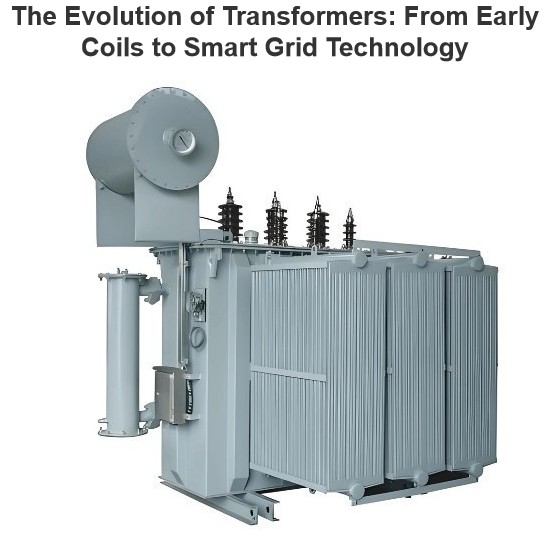
The Evolution of Transformers: From Early Coils to Smart Grid Technology
In the realm of electrical engineering, few inventions have had as profound an impact as the transformer. It stands as a silent yet indispensable force, enabling the efficient transmission and distribution of electrical power. Exploring the intricate world of transformer engineering reveals a journey from the early days of coiled wonders to today’s advanced technologies—evolution that has fundamentally shaped modern power systems.The Birth of Coils: Early Transformer OriginsT
08/22/2025
Consult
Tip
Consult
Tip
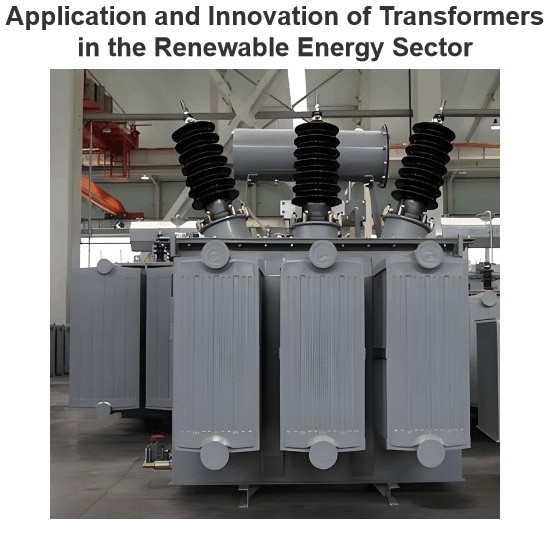
Application and Innovation of Transformers in the Renewable Energy Sector
Applications and Technological Innovations of Transformers in Renewable EnergyGlobally, the rapid development of renewable energy is reshaping the energy landscape. In this transformation, transformers—critical equipment linking power generation and the grid—play a pivotal role. This article examines their applications and latest technological advancements in renewable energy systems.Basic Functions of TransformersThe primary function of a transformer is to regulate voltage t
08/22/2025
Consult
Tip
Consult
Tip
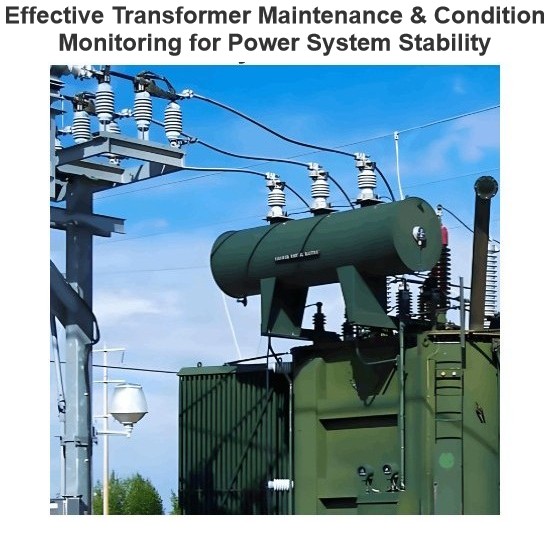
Effective Transformer Maintenance & Condition Monitoring for Power System Stability
Transformer condition maintenance is a systematic engineering effort aimed at ensuring normal and stable operation. By employing technological means to scientifically monitor transformers in operation, collecting, organizing, and analyzing data, it becomes possible to assess future operational status and equipment health, promptly detect minor faults, and enable rapid repairs. This integrated preventive and corrective approach helps reduce economic losses and supports stable economic development
08/21/2025
Consult
Tip
Consult
Tip
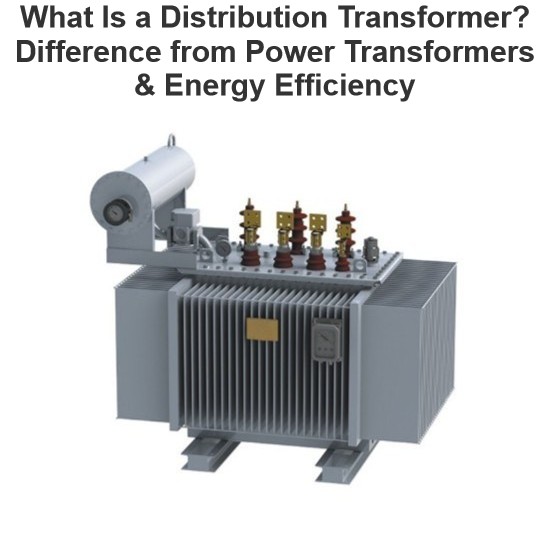
What Is a Distribution Transformer? Difference from Power Transformers & Energy Efficiency
1. What Is a Distribution Transformer?A distribution transformer is a static electrical device in a power distribution system that transfers alternating current (AC) power by transforming voltage and current levels according to the principle of electromagnetic induction.In certain regions, power transformers with voltage ratings below 35 kV—primarily 10 kV and below—are referred to as "distribution transformers." These are typically installed at substations. In general, a dis
08/20/2025
Consult
Tip
Consult
Tip
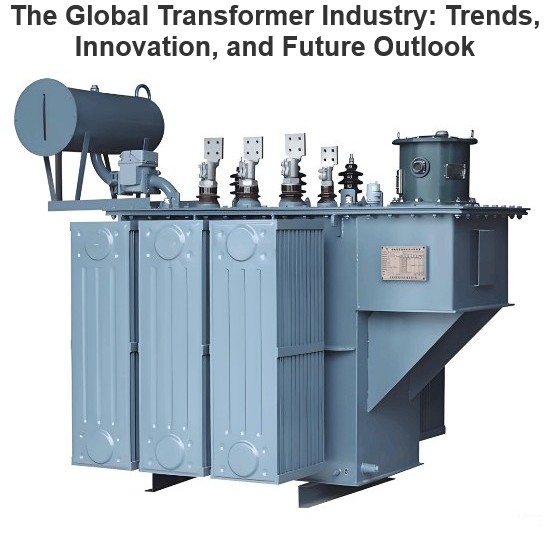
The Global Transformer Industry: Trends, Innovation, and Future Outlook
The Global Transformer Industry: Trends and OutlookWith rising electricity demand and the global shift toward sustainable energy, the transformer industry is undergoing rapid and transformative changes. These dynamics are driven by technological innovation, renewable energy integration, digital transformation, and evolving global energy governance.Advancing Technological InnovationManufacturers are enhancing transformer performance and efficiency through innovation. Digital, intelligent, and sup
08/20/2025
Consult
Tip
Consult
Tip
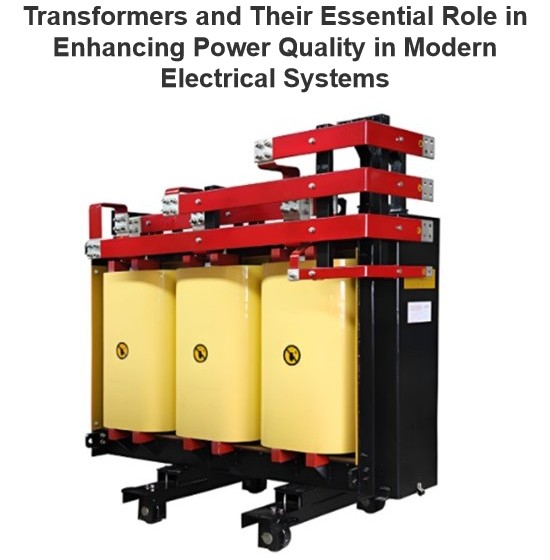
Transformers and Their Essential Role in Enhancing Power Quality in Modern Electrical Systems
Transformers and Their Role in Enhancing Power QualityTransformers are fundamental components in power systems, playing a critical role in maintaining and improving electrical power quality. Power quality refers to the degree to which electrical energy conforms to defined parameters, including voltage stability, frequency, waveform integrity, and reliability. This article explores the significant contributions of transformers to power quality improvement.Voltage RegulationOne of the primary func
08/19/2025
Consult
Tip
Consult
Tip
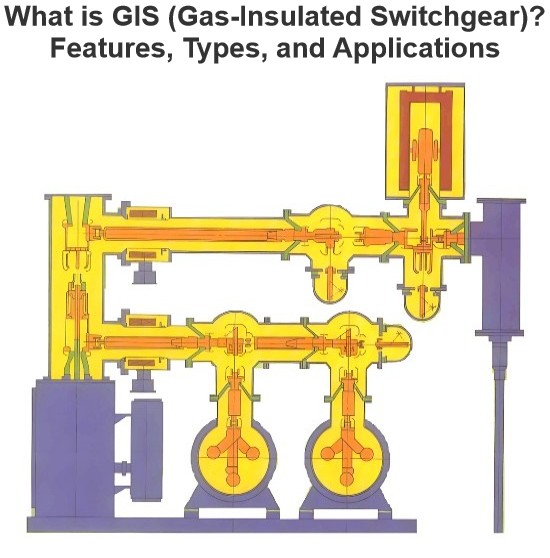
What is GIS (Gas-Insulated Switchgear)? Features, Types, and Applications
What is GIS Equipment?GIS is the English abbreviation for Gas Insulated Switchgear, which is fully translated into Chinese as Gas-Insulated Metal-Enclosed Switchgear. It typically uses sulfur hexafluoride (SF6) gas as the insulating and arc-quenching medium. GIS integrates, through optimized design, the main primary equipment in a substation—excluding the transformer—such as circuit breakers (CB), disconnectors (DS), earthing switches (ES/FES), busbars (BUS), current transfor
08/18/2025
Consult
Tip
Consult
Tip
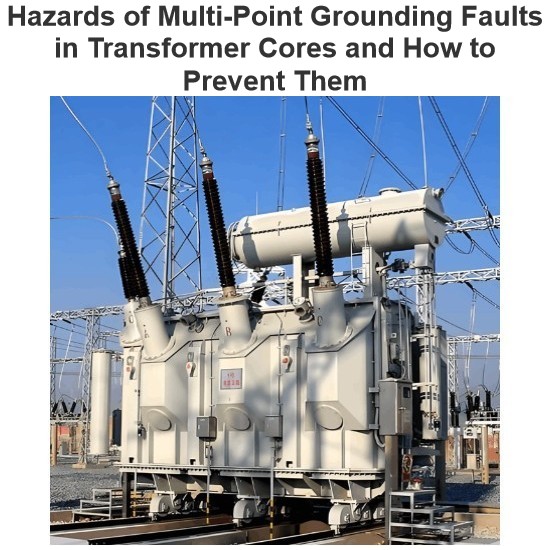
Hazards of Multi-Point Grounding Faults in Transformer Cores and How to Prevent Them
Hazards of Multi-Point Grounding Faults in Transformer CoresDuring normal operation, transformer cores must not be grounded at multiple points. The windings of an operating transformer are surrounded by an alternating magnetic field. Due to electromagnetic induction, stray capacitances exist between the high-voltage and low-voltage windings, between the low-voltage winding and the core, and between the core and the tank.The energized windings couple through these stray capacitances, causing the
08/16/2025
Consult
Tip
Consult
Tip
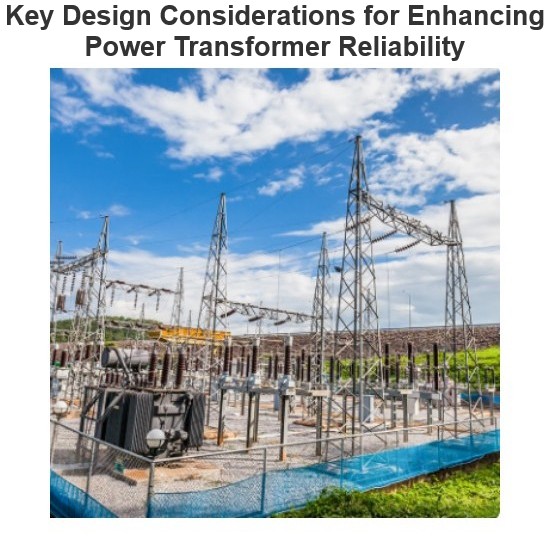
Key Design Considerations for Enhancing Power Transformer Reliability
Power transformers are critical components within the power grid. Once quality issues occur, they may not only result in significant economic and property losses but also endanger lives and cause immeasurable negative social impacts.Generally, the reliability of a power transformer is primarily influenced by its design, technology, materials, and manufacturing standards. Among these, design—being the foundation of product quality—plays a crucial role in determining the overal
08/16/2025
Consult
Tip
Consult
Tip
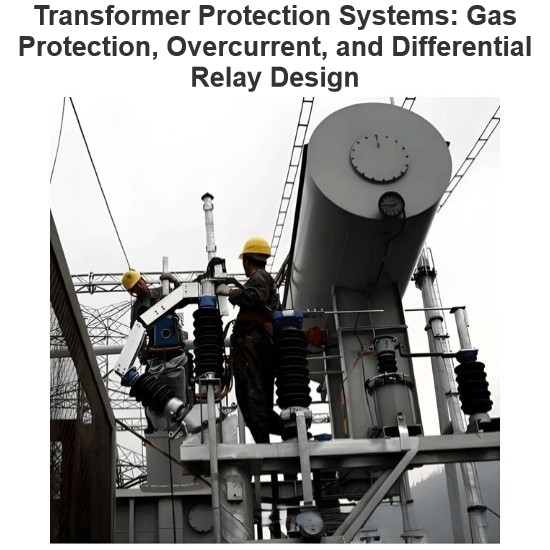
Transformer Protection Systems: Gas Protection, Overcurrent, and Differential Relay Design
For short-circuit faults on transformer lead-out wires, bushings, and internal components, appropriate protective devices shall be installed, and shall comply with the following provisions: Transformers with a capacity of 10 MVA or above operating individually, and transformers with a capacity of 6.3 MVA or above operating in parallel, shall be equipped with pilot differential protection. Important transformers with a capacity of 6.3 MVA or below operating individually may also be equipped with
08/15/2025
Consult
Tip
Consult
Tip
Send inquiry
+86
Click to upload file
Download
Get the IEE Business Application
Use the IEE-Business app to find equipment, obtain solutions, connect with experts, and participate in industry collaboration anytime, anywhere—fully supporting the development of your power projects and business.