• Product
  • Suppliers
  • Manufacturers
  • Solutions
  • Free tools
  • Knowledges
  • Experts
  • Communities
Search


Free Expert Guides on Power Systems, Circuit Design & Electrical Troubleshooting

Access free engineering resources from IEE Business—covering power design, circuit layout, equipment selection, and troubleshooting. Expert-developed guides help engineers, procurement, and project teams make better decisions. Stay ahead on smart grids, renewables, efficiency, and AI tools. Improve reliability, reduce downtime, and enhance outcomes with real-world solutions. Explore our knowledge hub today.
Why Is Transformer Core Single-Point Grounding Required and Multiple Grounding Prohibited?
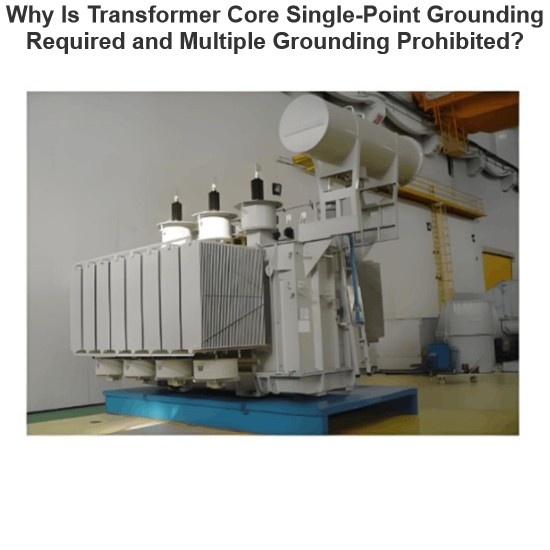
During transformer operation, the core and the metallic structures and components that secure the core and windings are exposed to a strong electric field, inducing a high potential relative to ground. If the core is left ungrounded, a potential difference can develop between the core and grounded parts such as clamps and the tank, leading to intermittent discharges. Additionally, the magnetic field surrounding the windings induces varying electromotive forces (EMF) in different metallic compone
08/07/2025
Consult
Tip
Consult
Tip
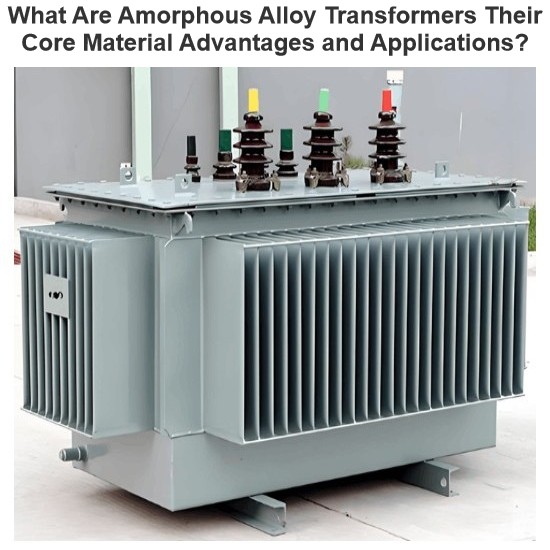
What Are Amorphous Alloy Transformers Their Core Material Advantages and Applications?
Amorphous alloy transformers, developed in the 1970s, represent a new generation of power transformers that utilize amorphous alloys as the core material instead of conventional silicon steel sheets. Compared to silicon steel-core transformers, they reduce no-load losses by approximately 70%–80% and no-load current by about 85%. These transformers are currently among the most energy-efficient distribution transformers available, making them ideal for applications in areas with low load
08/07/2025
Consult
Tip
Consult
Tip
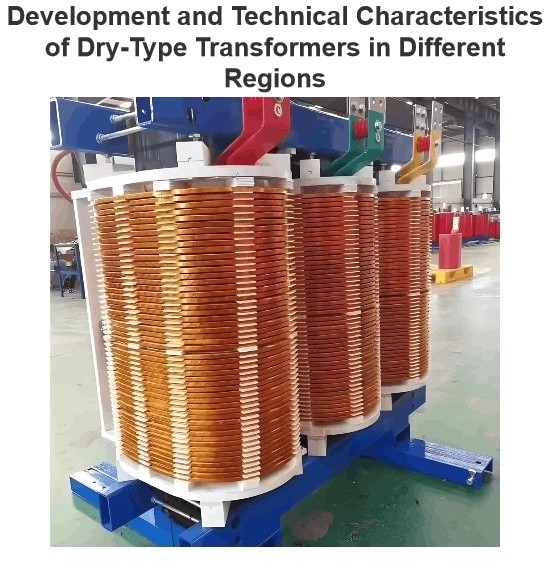
Development and Technical Characteristics of Dry-Type Transformers in Different Regions
Prior to the 1960s, dry-type transformers primarily employed Class B insulation in open-ventilated designs, with the product model designated as SG. At that time, foil windings were not yet available, so low-voltage coils were typically constructed using multi-strand conductors in layered or spiral configurations, while high-voltage coils adopted a disc-type design. The conductors used were either double glass-fiber-wrapped wires or single glass-fiber-wrapped wires with alkyd enamel coating.Most
08/06/2025
Consult
Tip
Consult
Tip
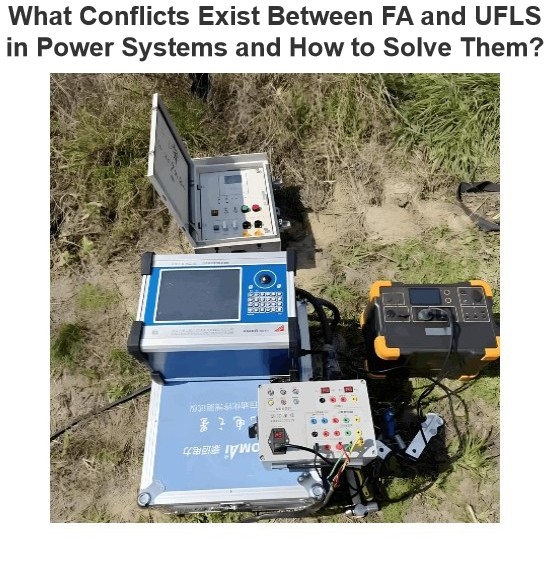
What Conflicts Exist Between FA and UFLS in Power Systems and How to Solve Them?
Feeder Automation (FA) and Under-Frequency Load Shedding (UFLS) are two critical protection and control mechanisms in power systems. While both aim to ensure safe and stable system operation, they carry potential conflicts in logic and timing that require careful coordination.Feeder Automation (FA): Primarily addresses local feeder faults (e.g., short circuits, ground faults) in distribution networks. Its objective is to quickly locate and isolate faulted sections and restore power to non-faulte
08/06/2025
Consult
Tip
Consult
Tip
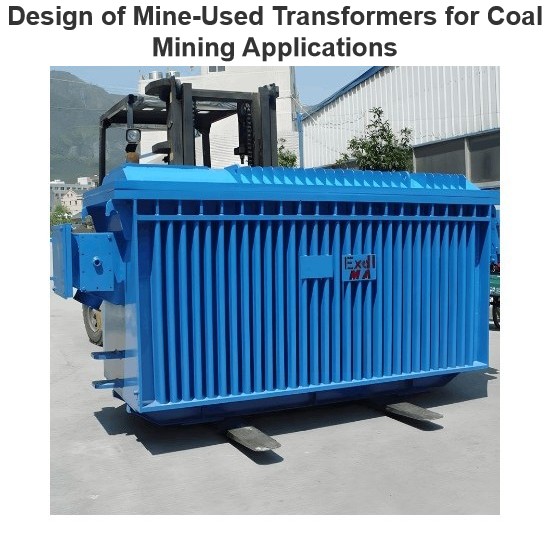
Design of Mine-Used Transformers for Coal Mining Applications
Coal mining is a crucial source of energy supply in China, and the requirements for mine-used transformers are exceptionally high. These transformers must not only provide essential power for mining operations but also ensure that their operation does not compromise mine safety. Considering current coal mine production demands in China, epoxy resin cast dry-type transformers are typically used as the core component, with appropriate modifications in external structural design.Internal Transforme
08/06/2025
Consult
Tip
Consult
Tip
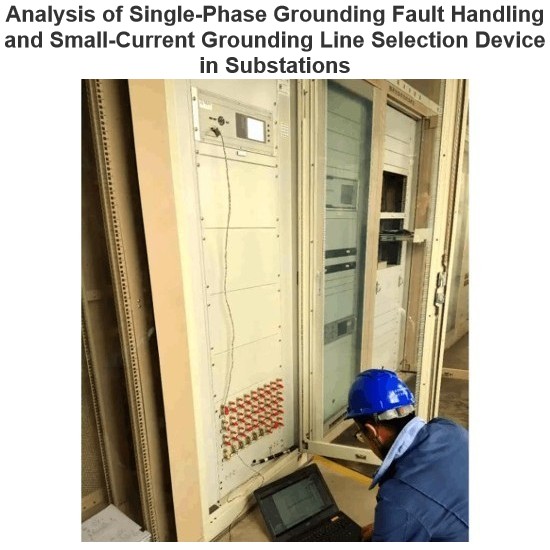
Analysis of Single-Phase Grounding Fault Handling and Small-Current Grounding Line Selection Device in Substations
A substation without a grounding line selection device experienced a single-phase grounding fault. The fault location system (FA) pinpointed the fault section between switch A and switch B. On-site patrol and handling took 30 minutes to isolate the fault, with no need for trial tripping of non-faulty lines.The coordination between the main network and distribution network relies on a comprehensive analysis of "bus protection action, 3U0, three-phase voltage + line terminal alarm". Based on exist
08/04/2025
Consult
Tip
Consult
Tip
Technical Specifications for Climate-Adaptive Transformer Designs
As the frequency and severity of climate-related events such as storms, floods, and wildfires continue to rise, the development of climate-adaptive transformer designs has become an urgent need. Transformers, as a core component of power infrastructure, their ability to withstand extreme weather conditions is directly related to the stability of power supply. This article explores the technical specifications defining climate-adaptive transformer designs, focusing on four key dimensions: materia
08/04/2025
Consult
Tip
Consult
Tip
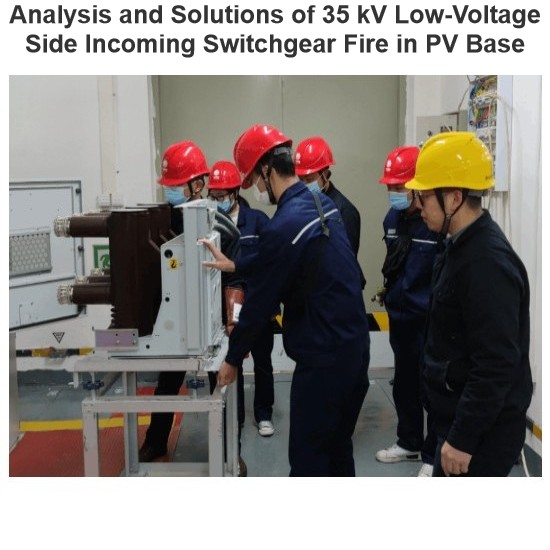
Analysis and Solutions of 35 kV Low-Voltage Side Incoming Switchgear Fire in PV Base
At 12:45 on August 4, 2022, a dispatching center received a report from a 100 MW photovoltaic power generation base. It was reported that the incoming line switchgear on the 35 kV low - voltage side of the main transformer at the collection station was on fire, and the protection action tripped. After receiving the notification, relevant personnel went to the site and carried out on - site accident investigation together with the operation technicians. Through on - site inspection, it was found
08/04/2025
Consult
Tip
Consult
Tip
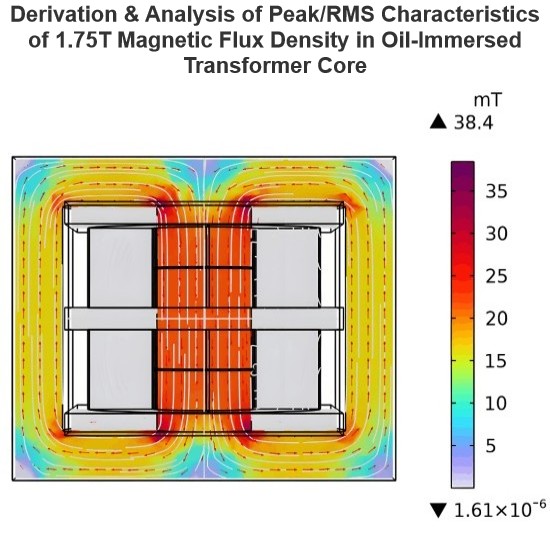
Derivation & Analysis of Peak/RMS Characteristics of 1.75T Magnetic Flux Density in Oil-Immersed Transformer Core
Generally speaking, the designed working magnetic flux density of the iron core in an oil-immersed power transformer can be around 1.75T (the specific value depends on factors such as no-load loss and noise requirements). However, there is a seemingly basic yet easily confusing question: is this 1.75T magnetic flux density value a peak value or an effective value?Even when asking an engineer with many years of experience in transformer design, they may not be able to give an accurate answer imme
08/04/2025
Consult
Tip
Consult
Tip
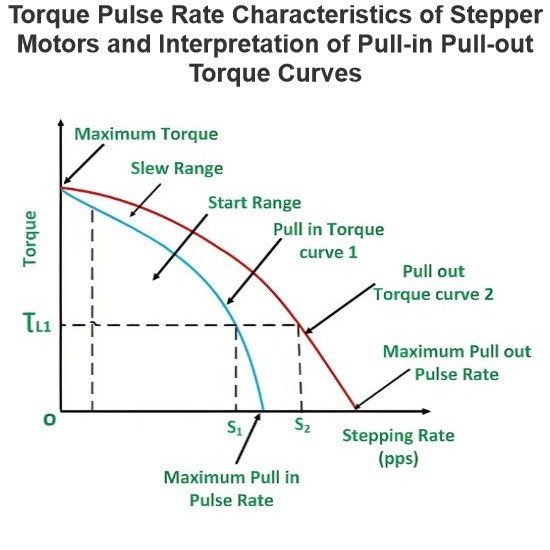
Torque Pulse Rate Characteristics of Stepper Motors and Interpretation of Pull-in Pull-out Torque Curves
The torque pulse rate characteristics of a stepper motor describe the variation of electromagnetic torque as a function of stepping rate in pulses per second (PPS). There are two characteristic curves, Curve 1 and Curve 2, shown in the figure below.Curve 1, represented by a blue line, is known as the pull-in torque curve. It indicates the maximum stepping rate at which the motor can start, synchronize, stop, or reverse under different load torque values. Similarly,Curve 2, shown as a red line, i
08/02/2025
Consult
Tip
Consult
Tip
Send inquiry
+86
Click to upload file
Download
Get the IEE Business Application
Use the IEE-Business app to find equipment, obtain solutions, connect with experts, and participate in industry collaboration anytime, anywhere—fully supporting the development of your power projects and business.