• Product
  • Suppliers
  • Manufacturers
  • Solutions
  • Free tools
  • Knowledges
  • Experts
  • Communities
Search


Free Expert Guides on Power Systems, Circuit Design & Electrical Troubleshooting

Access free engineering resources from IEE Business—covering power design, circuit layout, equipment selection, and troubleshooting. Expert-developed guides help engineers, procurement, and project teams make better decisions. Stay ahead on smart grids, renewables, efficiency, and AI tools. Improve reliability, reduce downtime, and enhance outcomes with real-world solutions. Explore our knowledge hub today.
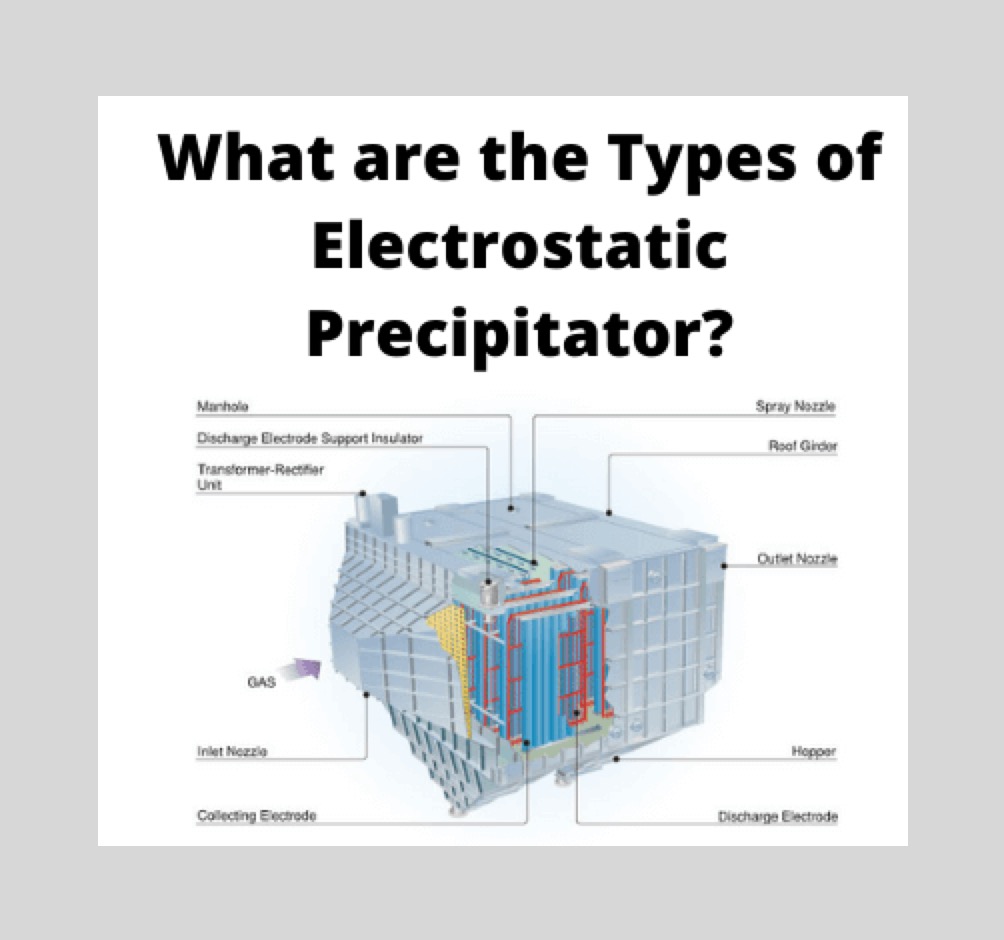
Types of Electrostatic Precipitator
The world is slowly but continually moving towards a greener future. There is much excitement among engineers about the prospects of greener technology. However, coal-based power plants are still the primary source of electrical power in many countries. Baring few countries in the world like Norway or Iceland, all other countries depend heavily on coal to produce the bulk of the electricity demand. Coal necessitates that we use some technology to reduce the pollution that is caused by such power
03/21/2024
Consult
Tip
Consult
Tip
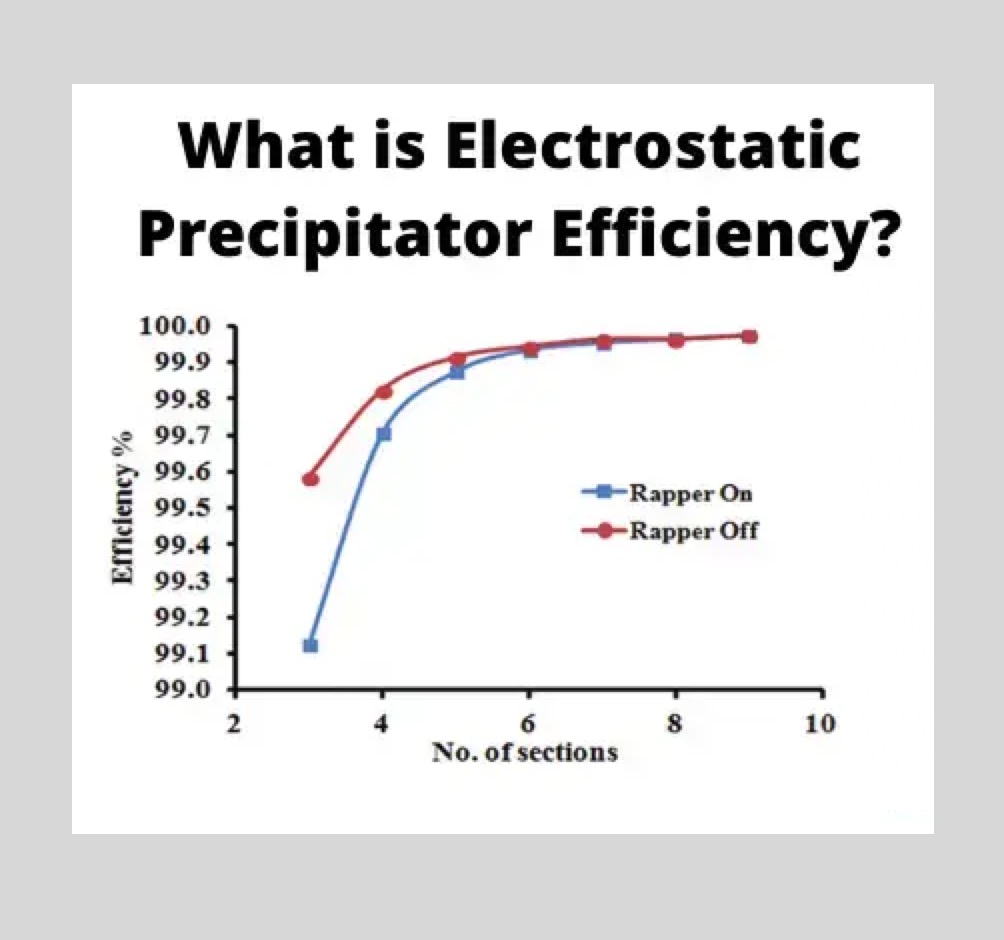
Electrostatic Precipitator Efficiency
Electrostatic precipitators have become the norm now in industries. Due to strict regulation and ever-increasing air pollution, installing one in a thermal power plant or any other power plants where flue gases are released, have become a necessity. But whether electrostatic precipitators perform the function expected from them can be determined by measuring the efficiency of the device. Different industries have different efficiency requirement. We are going to figure out a way to find the effi
03/21/2024
Consult
Tip
Consult
Tip
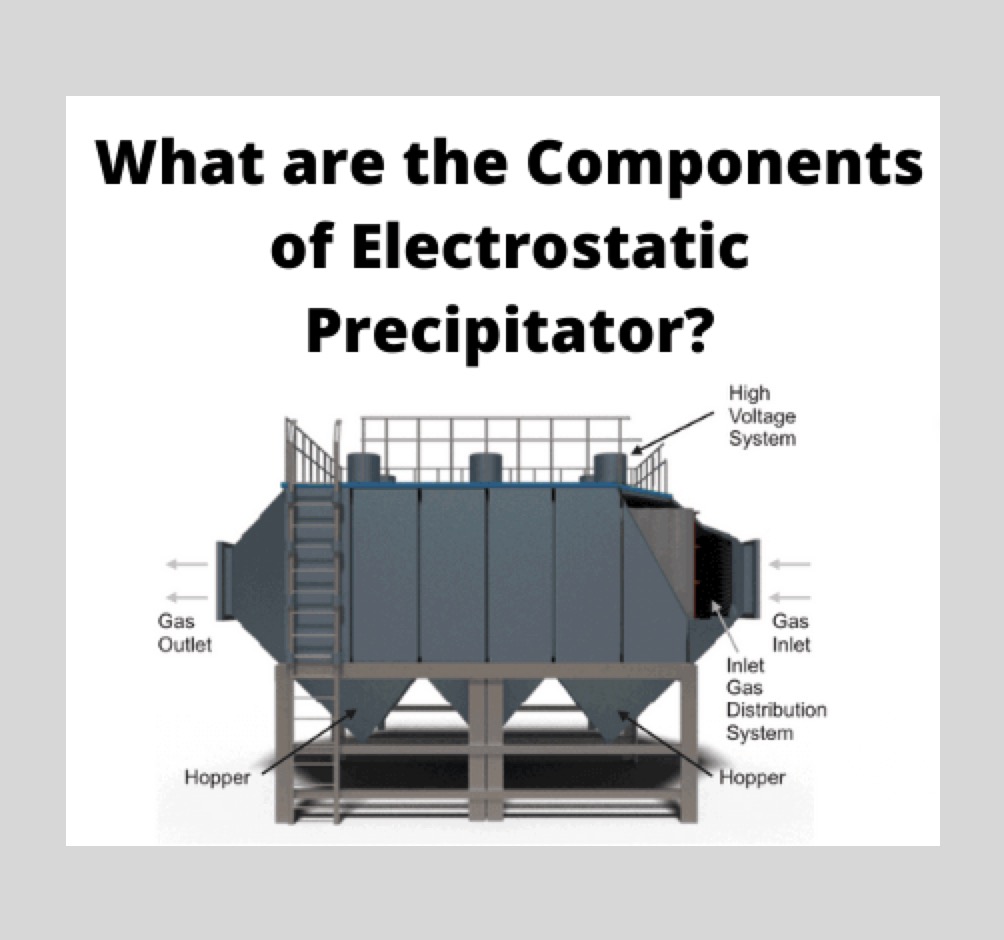
Components of Electrostatic Precipitator
Electrostatic precipitators are mandatory nowadays in thermal power plants and other power plants where there is a discharge of flue gases. With ever increasing concern about environmental pollution and the need to reduce it, electrostatic precipitators have become a necessity. Electrostatic precipitator uses the high-intensity electric field to ionise the dust particles in the air stream, and then the dust particles get collected by oppositely charged collectors (electrodes). The dust particles
03/21/2024
Consult
Tip
Consult
Tip
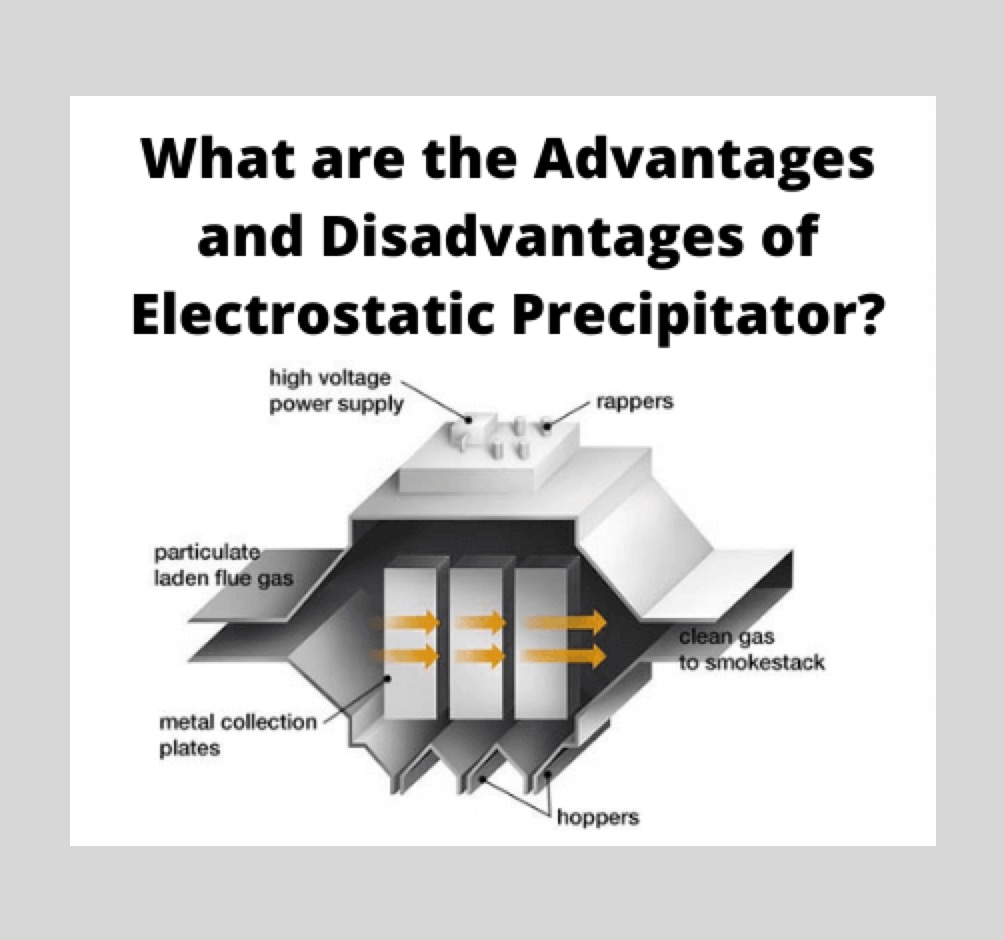
Advantages and Disadvantages of Electrostatic Precipitator
Electrostatic precipitators are ubiquitous nowadays in thermal power plants due to ever-increasing concern about environmental pollution. Electrostatic precipitator uses the high-intensity electric field to ionise the dust particles in the air stream and then the dust particles are collected by oppositely charged collectors (electrodes). The dust particles, once collected are removed from the collector plates periodically by hammering the collectors by a different mechanism.But all devices have
03/21/2024
Consult
Tip
Consult
Tip
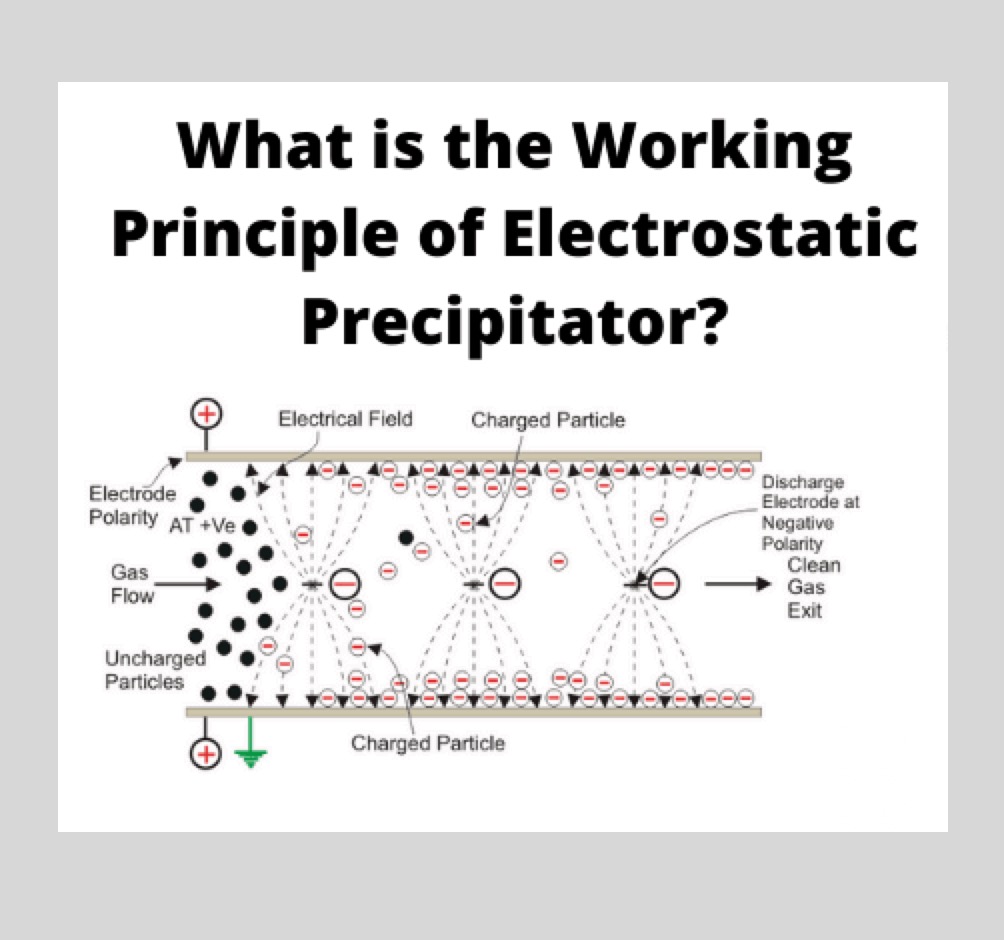
Electrostatic Precipitator: What is it And How Does it Work?
The flue gases produced due to the combustion of solid pulverized fuel in the furnace contain plenty of dust particles.When a chimney releases these flue gases in the atmosphere without filtering these dust particles, the atmosphere may get polluted.Hence, these dust particles need to be removed from the flue gases as much as possible before these flue gases get discharged into the atmosphere. By removing the dust particles from flue gases, we can control air pollution.An electrostaticprecipitat
03/21/2024
Consult
Tip
Consult
Tip
Electric Arc Furnace
Electric Arc Furnace means an extremely hot enclosed space, where heat is produced by means of electrical arcing for melting certain metals such as scrap steel without changing electro-chemical properties of the metal.Here, electric arc is produced between the electrodes. This electric arc is used for melting the metal. The arc furnaces are used to produce mini steel structural bars and steel rods. The electric furnace is in form of a vertical vessel of fire brick. There are mainly two types of
03/21/2024
Consult
Tip
Consult
Tip
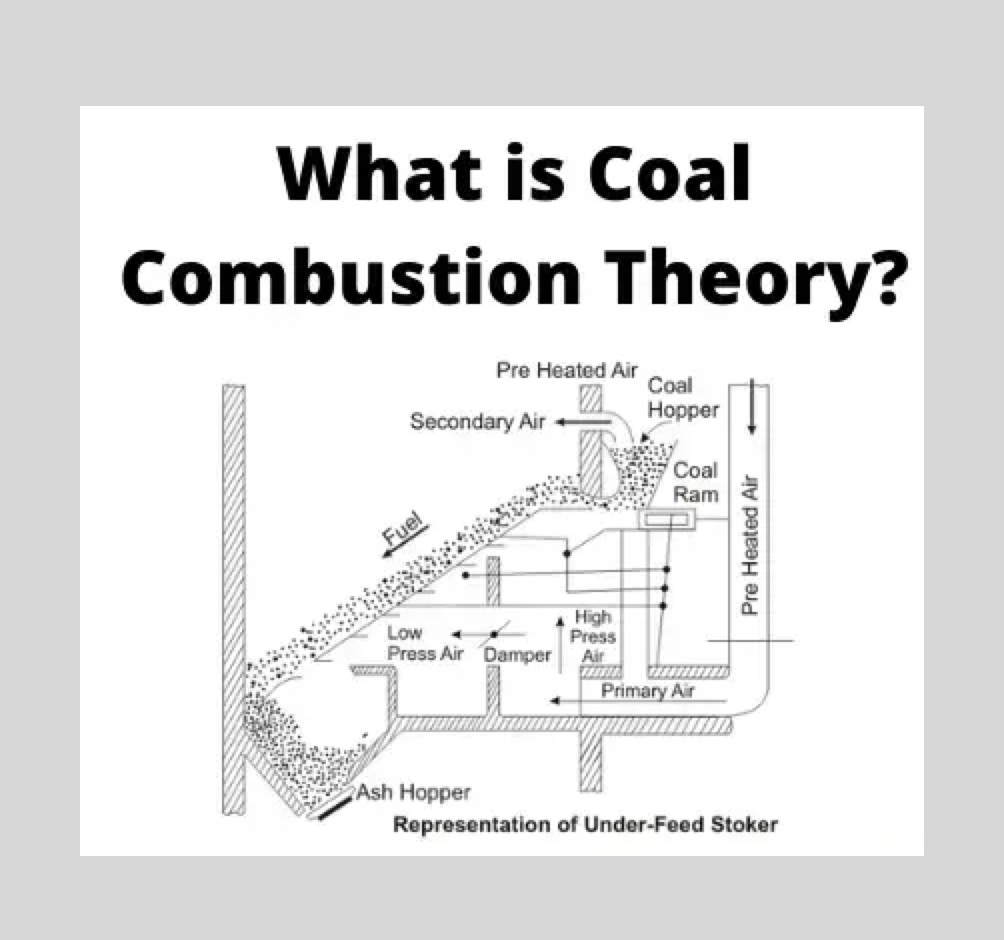
Coal Combustion Theory
Combustion is a rapid chemical reaction between fuel and oxygen. When combustible elements of fuel combine with O2, heat energy comes out. During combustion combustible elements like Carbon, Sulfur, Hydrogen etc combine with oxygen and produce respective oxides. The source of oxygen in fuel combustion is air. By volume there is 21% of Oxygen presents in air and by weight it is 23.2%. Although there is 79% (by volume) nitrogen in air but it plays no role in combustion.Actually Nitrogen carries he
03/21/2024
Consult
Tip
Consult
Tip
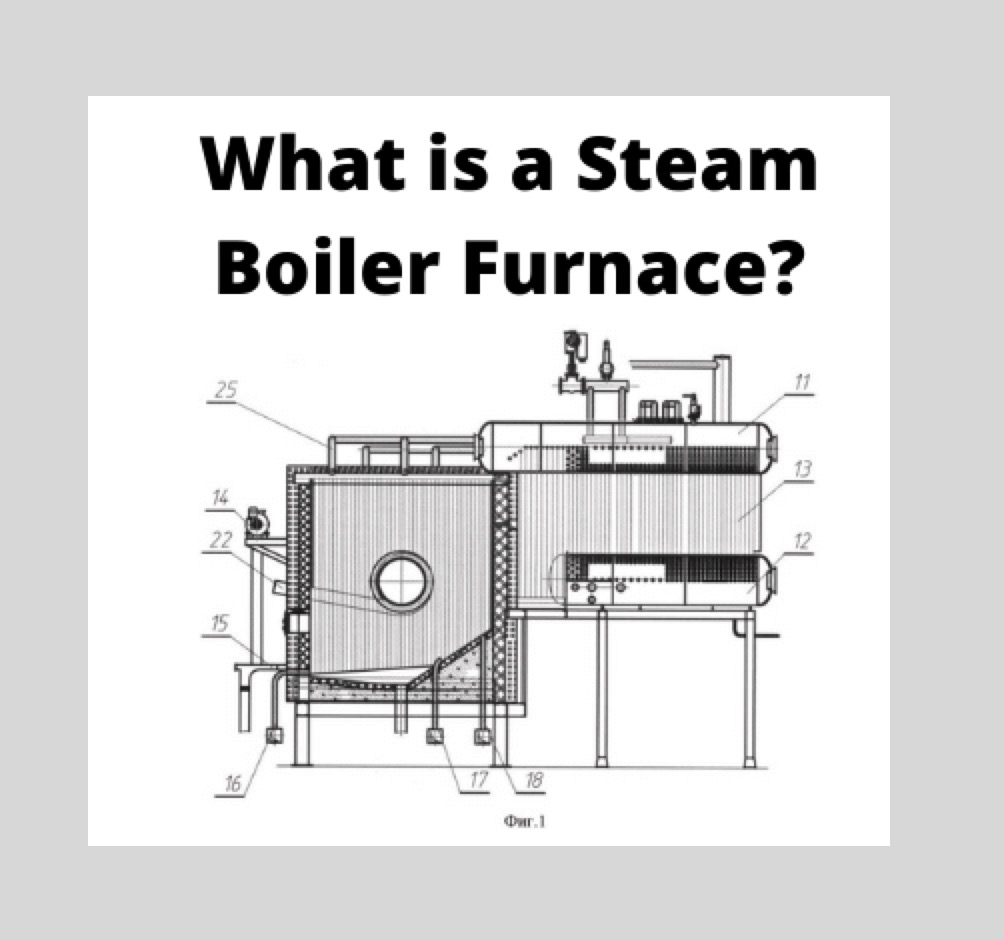
Steam Boiler Furnace: Combustion Chamber & Boiler Grate
What is Combustion?Combustion is a chemical process during which oxygen is combined with different elements of fuel. During this combination, a definite amount of heat is produced per unit mass of combustible element depending upon the element with which the oxygen combines. The elements participate in combustion process are oxygen, hydrogen, carbon and sulfur.There are various other elements in the fuel (coal) which do take part in combustion process such as iron, silicon etc. They usually exis
03/21/2024
Consult
Tip
Consult
Tip
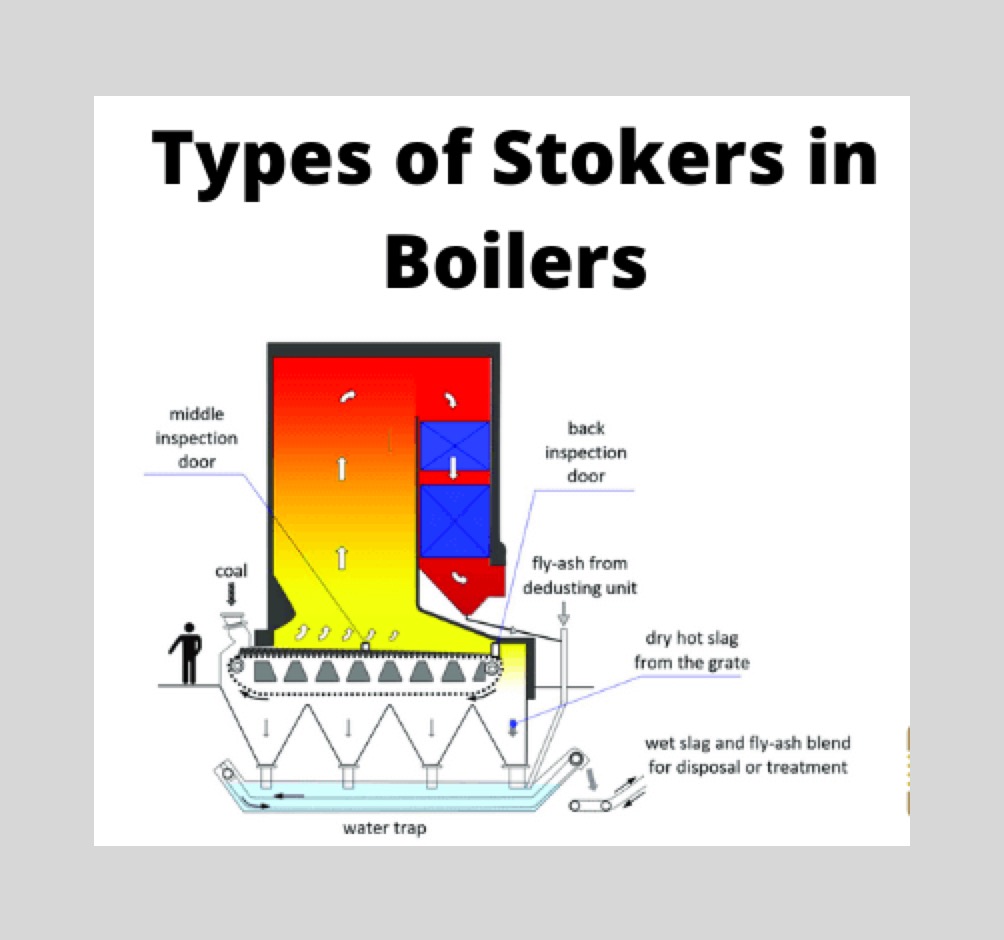
Methods of Firing Steam Boiler
For obtaining maximum fuel combustion efficiency it is required to complete combustion of fuel inside the boiler furnace. For that, the sufficient supply of air and proper mixing of air with fuel are primary requirements. Adequate supply of fuel particles for proper burning also to be maintained.The combustion should produce designated temperature of the steam boiler and maintains it consistently.In addition to these, the methods of firing steam boiler are such that, the system may easily be han
03/21/2024
Consult
Tip
Consult
Tip
Fluidized Bed Combustion | Types and Advantages
Fluidization is a method of mixing fuel and air in a specific proportion, for obtaining combustion. A fluidized bed may be defined as the bed of solid particles behaving as a fluid. It operates on the principal that when an evenly distributed air is passed upward through a finely divided bed of solid particles at low velocity, the particles remain undisturbed, but if the velocity of air flow is steadily increased, a stage is reached when the individual particles are suspended in the air stream.I
03/21/2024
Consult
Tip
Consult
Tip
Send inquiry
+86
Click to upload file
Download
Get the IEE Business Application
Use the IEE-Business app to find equipment, obtain solutions, connect with experts, and participate in industry collaboration anytime, anywhere—fully supporting the development of your power projects and business.