• Product
  • Suppliers
  • Manufacturers
  • Solutions
  • Free tools
  • Knowledges
  • Experts
  • Communities
Search


Free Expert Guides on Power Systems, Circuit Design & Electrical Troubleshooting

Access free engineering resources from IEE Business—covering power design, circuit layout, equipment selection, and troubleshooting. Expert-developed guides help engineers, procurement, and project teams make better decisions. Stay ahead on smart grids, renewables, efficiency, and AI tools. Improve reliability, reduce downtime, and enhance outcomes with real-world solutions. Explore our knowledge hub today.
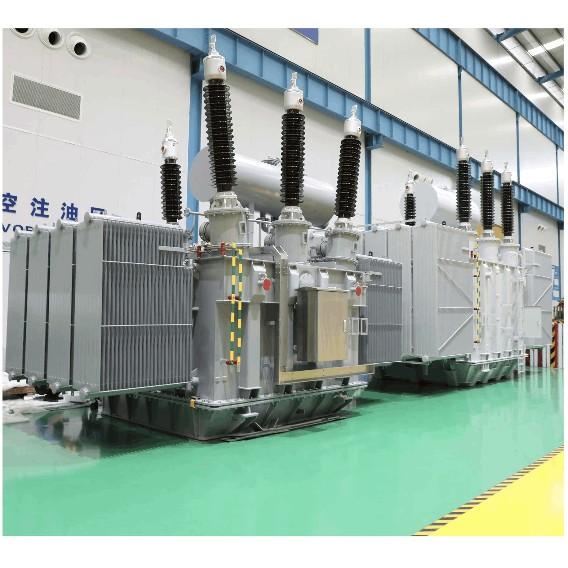
110kV Transformer Zero-Sequence Protection: Issues & Improvement Measures
Problems with Zero-Sequence Protection of 110 kV TransformersIn an effectively grounded system, the neutral-to-ground displacement voltage of a transformer is limited to a certain level, and the neutral-point gap protection does not operate. The purpose of installing gap protection is to prevent damage to transformer insulation caused by elevated zero-sequence voltage in non-effectively grounded systems. The discharge gap only operates when a single-phase ground fault occurs, all directly ground
12/03/2025
Consult
Tip
Consult
Tip
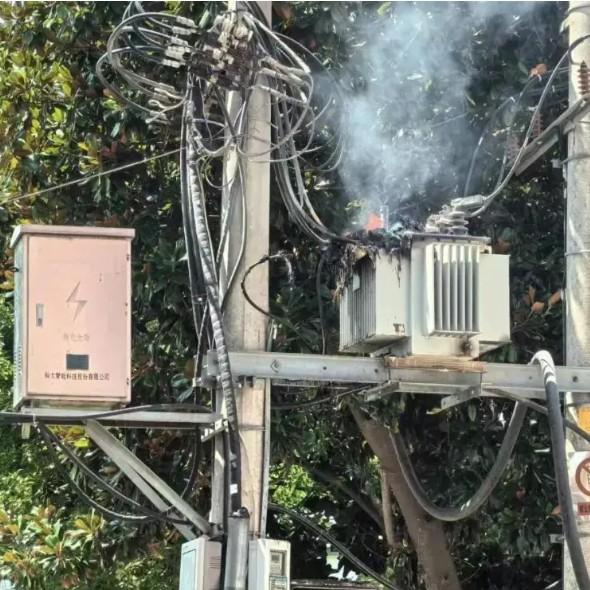
Causes of Transformer Damage from Lightning Strikes and Whether It Can Still Be Used Afterward
1. What Causes Transformer Damage from Lightning Strikes? Direct Lightning Strike: When lightning directly hits a transformer or its nearby transmission lines, it generates an enormous transient current that instantly flows through the transformer windings and core. This causes the insulation material to heat up rapidly—even melt—leading to winding short circuits or burnout. Damage from direct strikes is often catastrophic. Lightning-Induced Voltage (Electromagnetic Induction): Even if lightning
12/02/2025
Consult
Tip
Consult
Tip
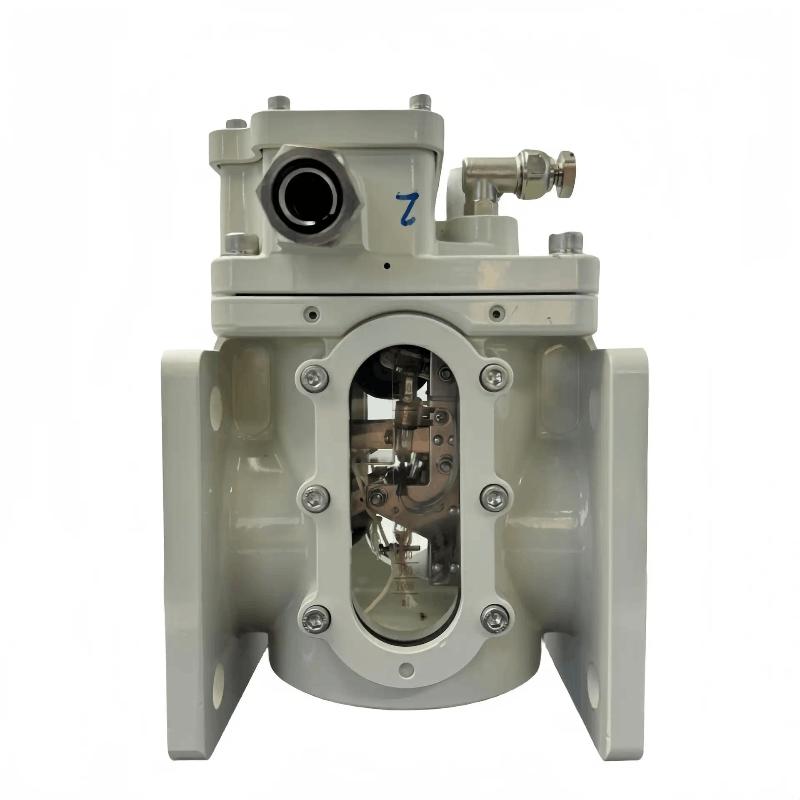
Main Components of a Transformer – Operating Principle, Faults, and Phenomena of the Gas Relay
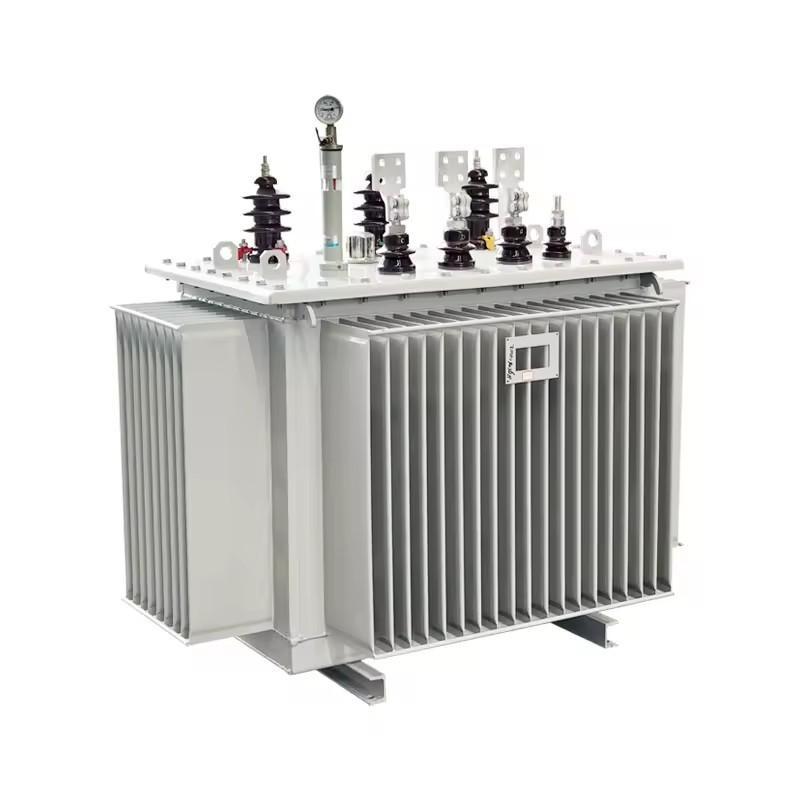
Gas accumulation: Free gas is present in the transformer oil. Response: The gas in the liquid rises and accumulates in the Buchholz relay, compressing the transformer oil. As the liquid level drops, the float also descends. The movement of the float drives a switch element (magnetic contact), thereby triggering an alarm signal. However, the float is not affected, because a certain amount of gas can flow through the pipe into the storage chamber.Fault: Due to leakage causing loss of transformer o
11/27/2025
Consult
Tip
Consult
Tip
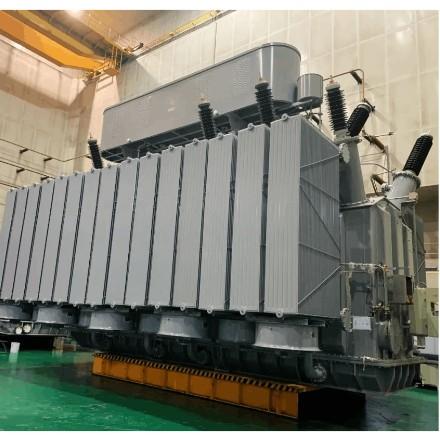
China’s First 220kV/240MVA Vegetable Oil Transformer: R&D, Advantages & Dual Carbon Contribution
With the continuous development of power transformer insulation technology, vegetable oil transformer products using green, environmentally friendly, and high-flash-point vegetable oil as insulation medium are gradually replacing mineral oil transformers. These vegetable oil-based transformers minimize carbon emissions to the greatest extent and effectively extend the service life of power transformers, which is of great significance for helping achieve the "dual carbon" goals.Recently, led by a
11/27/2025
Consult
Tip
Consult
Tip
Four Major Causes and Solutions for Transformer Voltage Imbalance
Transformers play an indispensable role in power systems, and almost every electrical device relies on their stable power supply. Sometimes you may find that the transformer's voltage is unstable, or even unbalanced. This phenomenon not only affects the operating efficiency of equipment but also may bring a series of serious safety hazards. What exactly causes transformer voltage imbalance? And how to effectively solve this problem?1.Three-Phase Load ImbalanceThe voltage balance of a transformer
11/26/2025
Consult
Tip
Consult
Tip
SCB & SGB Dry-Type Transformers Explained
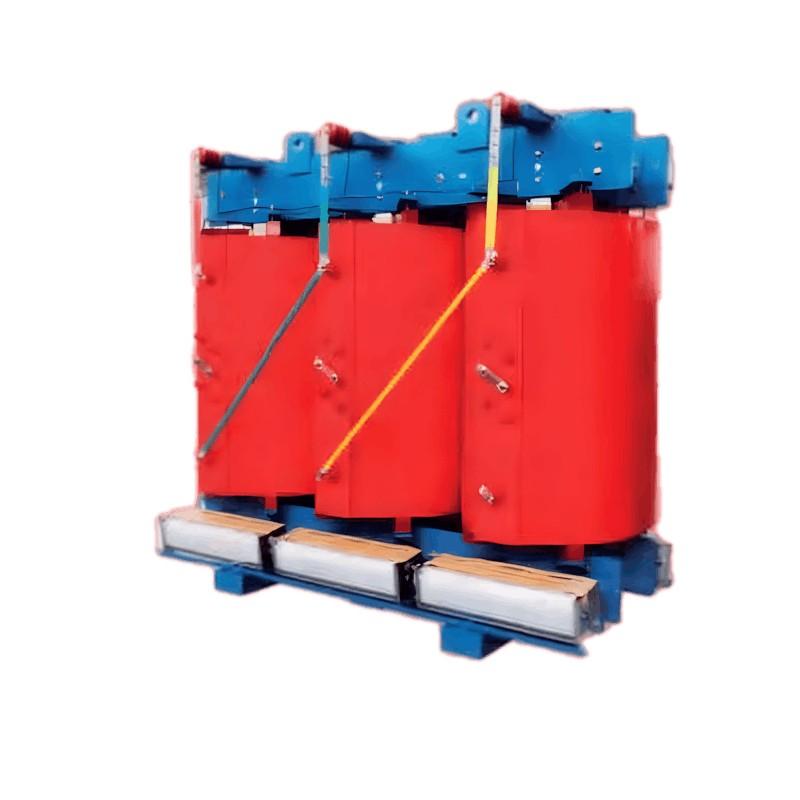
1. IntroductionA transformer operates based on the principle of electromagnetic induction. The main components of a transformer are the windings and the core. During operation, the windings serve as the path for electric current, while the core serves as the path for magnetic flux. When electrical energy is input to the primary winding, the alternating current creates an alternating magnetic field in the core (i.e., electrical energy is converted into magnetic field energy). Due to magnetic link
11/22/2025
Consult
Tip
Consult
Tip
Advantages and Disadvantages of Dry-Type Transformers and Their Differences from Oil-Immersed Transformers
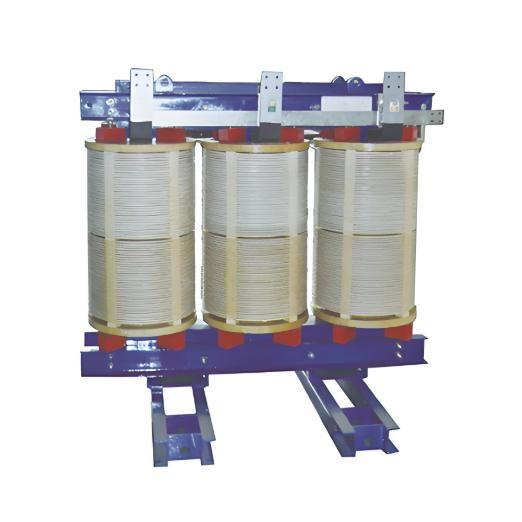
Cooling and Insulation of Dry-Type TransformersA dry-type transformer is a special type of power transformer characterized by the fact that its core and windings are not immersed in insulating oil.This raises a question: oil-immersed transformers rely on insulating oil for both cooling and insulation, so how do dry-type transformers achieve cooling and insulation without oil?First, let’s discuss cooling .Dry-type transformerstypically use two cooling methods: Natural air cooling (AN): When opera
11/22/2025
Consult
Tip
Consult
Tip
Guide to Characteristics, Installation, Operation, and Commissioning of SC Series Dry-Type Transformers
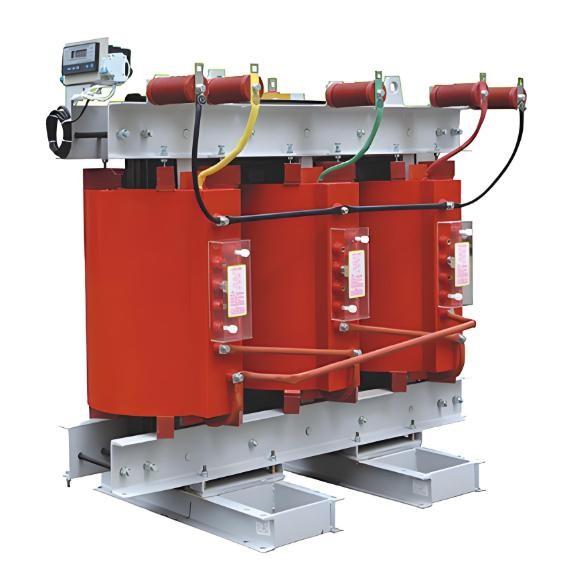
Dry-type transformers refer to power transformers in which the core and windings are not immersed in oil. Instead, the coils and core are cast together (typically with epoxy resin) and cooled by either natural air convection or forced-air cooling. As a relatively newer type of power distribution equipment, dry-type transformers have been widely used in power transmission and distribution systems in factory workshops, high-rise buildings, commercial centers, airports, ports, subways, and offshore
11/22/2025
Consult
Tip
Consult
Tip
Transformer Testing Procedures Compliant with IEEE C57 and GB 1094 Standards
1. Fundamentals of Transformer Testing1.1 OverviewTransformers are among the most critical pieces of equipment for electric power transmission. Their quality and reliability directly affect the safe and dependable delivery of electricity. Damage to generator transformersor key substation transformers can disrupt power transmission, and repairing or transporting such large units often takes several months.During this downtime, power supply is compromised, adversely impacting industrial and agricu
11/22/2025
Consult
Tip
Consult
Tip
How does the TTC series dry-type transformer temperature controller prevent transformer overheating?
1. Function of Transformer Temperature ControllersToday, power transformers are primarily categorized into two types: oil-immersed and dry-type transformers. Dry-type transformers are widely used in power plants, substations, airports, railways, intelligent buildings, and smart residential communities due to their numerous advantages—such as inherent safety, flame resistance, zero pollution, maintenance-free operation, low losses, minimal partial discharge, and long service life.A key advantage
11/22/2025
Consult
Tip
Consult
Tip
Send inquiry
+86
Click to upload file
Download
Get the IEE Business Application
Use the IEE-Business app to find equipment, obtain solutions, connect with experts, and participate in industry collaboration anytime, anywhere—fully supporting the development of your power projects and business.