• Product
  • Suppliers
  • Manufacturers
  • Solutions
  • Free tools
  • Knowledges
  • Experts
  • Communities
Search


Free Expert Guides on Power Systems, Circuit Design & Electrical Troubleshooting

Access free engineering resources from IEE Business—covering power design, circuit layout, equipment selection, and troubleshooting. Expert-developed guides help engineers, procurement, and project teams make better decisions. Stay ahead on smart grids, renewables, efficiency, and AI tools. Improve reliability, reduce downtime, and enhance outcomes with real-world solutions. Explore our knowledge hub today.
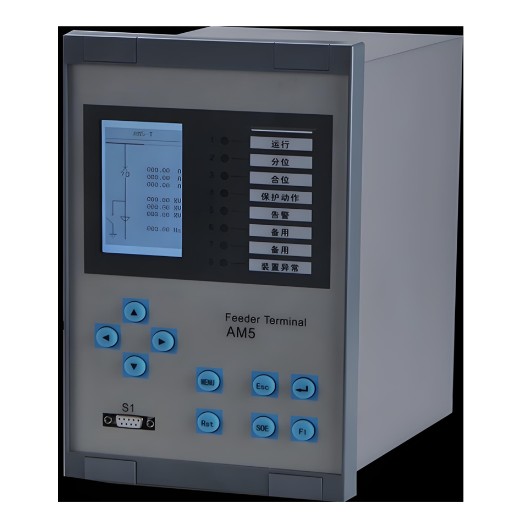
 How to select a microcomputer integrated protection device, and what is its function in high-voltage switchgear?
1.Selection and Role of Microcomputer Integrated Protection Devices1.1 Selection of Microcomputer Integrated Protection DevicesTo ensure a microcomputer integrated protection device correctly and accurately performs its relay protection tasks, selection during design should comprehensively consider reliability, response time, maintenance and commissioning, and additional functions.Signal input for microcomputer integrated protection devices is the same as traditional relay protection: voltage an
09/18/2025
Consult
Tip
Consult
Tip
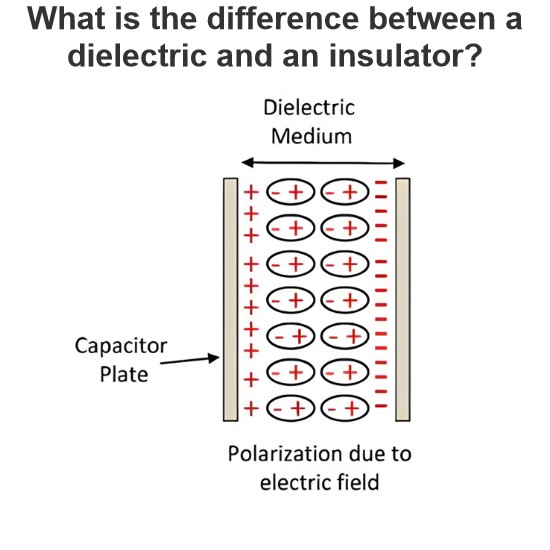
What is the difference between a dielectric and an insulator?
Dielectrics and insulators are distinguished primarily by their applications. One of the main differences is that a dielectric can store electrical energy by becoming polarized in an electric field, whereas an insulator resists the flow of electrons to prevent current conduction. Other key differences between them are outlined in the comparison chart below.Definition of DielectricA dielectric material is a type of insulator that contains few or no free electrons. When subjected to an electric fi
08/30/2025
Consult
Tip
Consult
Tip
How to Perform Switching Operations of Electrical Equipment Properly
In the daily operations of an enterprise, the stable operation of electrical equipment is crucial. As a key step in changing the operational state of electrical equipment, the accuracy and standardization of switchgear operations directly impact equipment safety, production continuity, and personnel safety. Therefore, it is essential to enhance the level of switchgear operations and ensure that the operational procedures are standardized and precise.I. Definition and Importance of Switchgear Ope
08/23/2025
Consult
Tip
Consult
Tip
Pre-control Measures for Hazardous Points in Electrical Equipment Patrol Inspection
Thunderstorm DayHazard PointsLightning rod drop and back - strike injuring peopleArrester explosion injuring peopleOutdoor terminal box and gas relay getting rainwaterControl MeasuresWear qualified insulating boots and stay at least 5m away from the lightning rod.Wear safety helmets properly and do not approach arresters to check action values.Keep terminal boxes and mechanism box doors tightly closed, and ensure the gas - proof rain shields are in good condition.Prohibit holding umbrellas when
08/23/2025
Consult
Tip
Consult
Tip
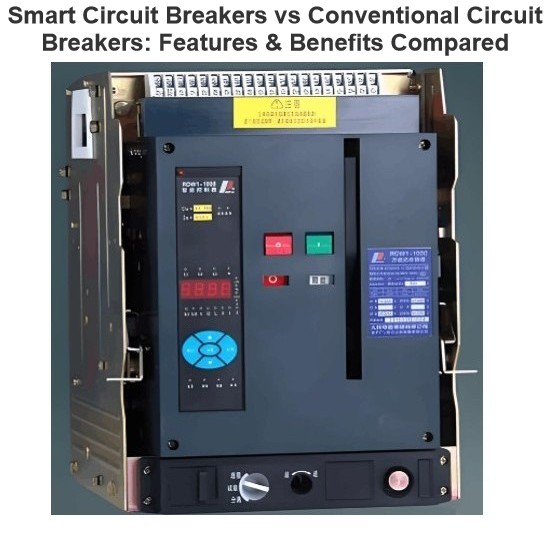
Smart Circuit Breakers vs Conventional Circuit Breakers: Features & Benefits Compared
Comparison Between Smart Circuit Breakers and Conventional Circuit BreakersSmart circuit breakers and conventional circuit breakers differ significantly in functionality, level of intelligence, and application scenarios. The detailed comparison is as follows:1.Core Functional Differences1.1 Basic Protection FunctionsBoth types provide fundamental functions such as circuit switching, overload protection, and short-circuit protection. However, smart circuit breakers go further by integrating advan
08/22/2025
Consult
Tip
Consult
Tip
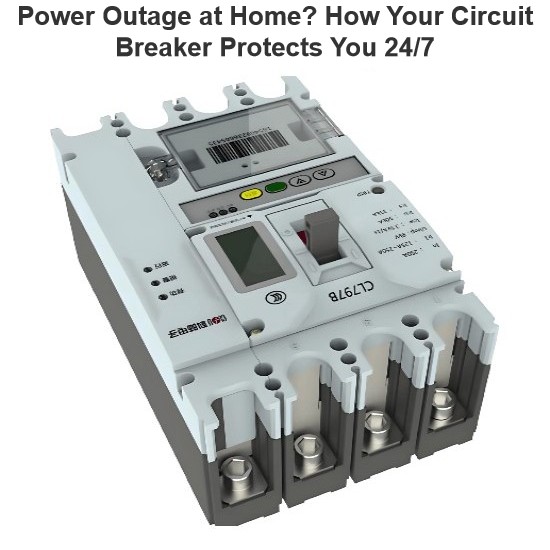
Power Outage at Home? How Your Circuit Breaker Protects You 24/7
Power Outage at Home? Meet Your Electrical Guardian: The Circuit BreakerWhen the power suddenly goes out at home, what’s your first thought? Is it due to unpaid bills or a tripped breaker? In most cases, the culprit is a small device hidden in your electrical panel—the circuit breaker. Though unassuming, this device acts like a 24/7 “safety guard,” silently protecting your household’s electrical safety.Today, let’s dive into how this &a
08/22/2025
Consult
Tip
Consult
Tip
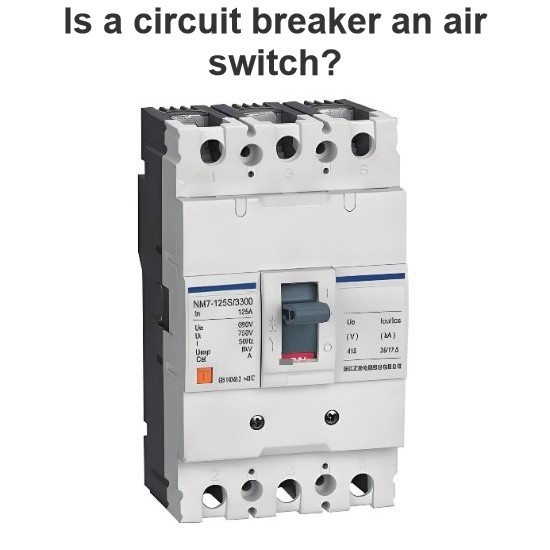
Is a circuit breaker an air switch?
Circuit Breakers vs. Air Switches: Clarifying the RelationshipA circuit breaker is a switching device capable of closing, carrying, and interrupting current under normal circuit conditions, and of closing, carrying for a specified time, and interrupting current under abnormal circuit conditions (such as short circuits). It is more than just a switch—it serves as a critical safety protection device. When a fault occurs in a power system, a circuit breaker can rapidly cut off the current
08/22/2025
Consult
Tip
Consult
Tip
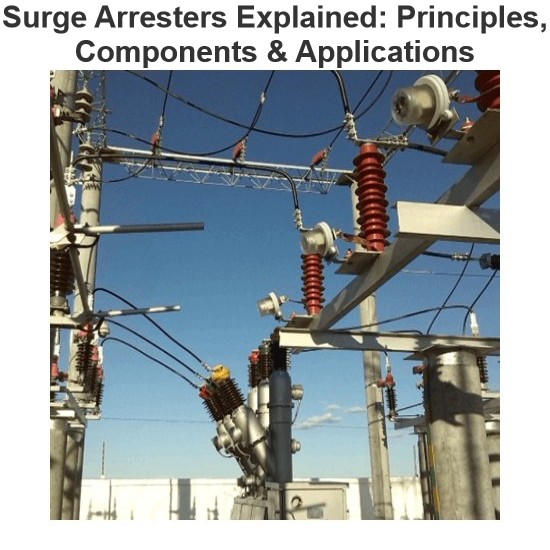
Surge Arresters Explained: Principles, Components & Applications
Surge Arresters: Principles and ApplicationsA surge arrester is a critical device used to protect structures and electrical equipment from lightning strikes. It rapidly diverts and dissipates lightning current, thereby safeguarding equipment and personnel. The following provides a detailed explanation of its working principles.1. Basic Construction of Surge ArrestersA surge arrester typically consists of two main components: a gas discharge tube and a metal oxide varistor (MOV). Gas Discharge Tu
08/15/2025
Consult
Tip
Consult
Tip
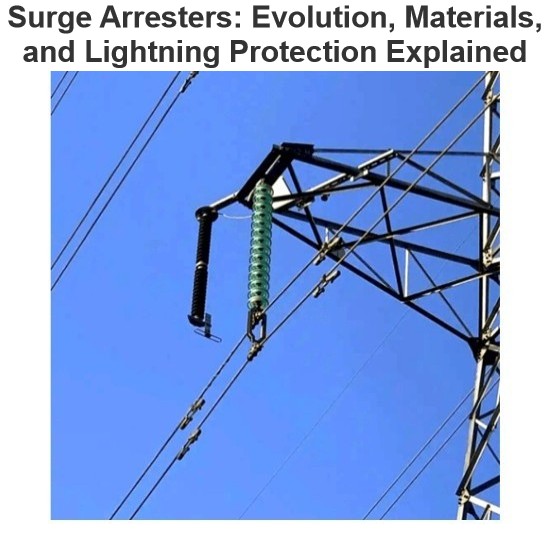
Surge Arresters: Evolution, Materials, and Lightning Protection Explained
Surge Arresters and Their EvolutionA surge arrester is always connected in parallel with the electrical equipment it protects. It does not interfere with the equipment's normal operation at system voltage. However, when a dangerous overvoltage appears on the equipment, the arrester conducts first, diverting the overvoltage safely into the ground.The earliest and simplest form of surge arrester consisted of two metal rods separated by a gap and connected in parallel across electrical equipment. W
08/14/2025
Consult
Tip
Consult
Tip
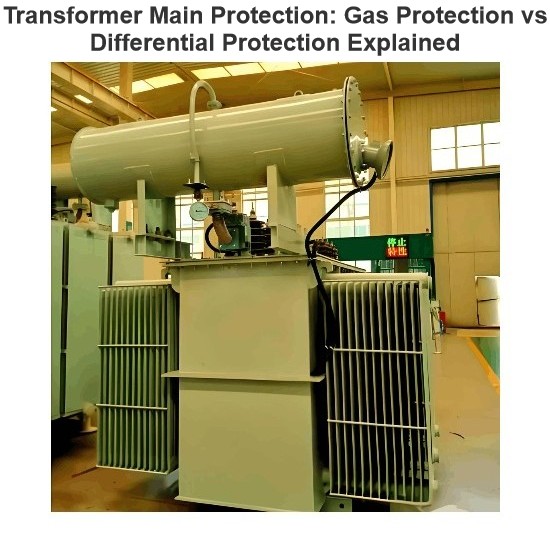
Transformer Main Protection: Gas Protection vs Differential Protection Explained
Transformer Main ProtectionThe main protection for transformers consists of gas protection and differential protection.Gas ProtectionGas protection is a protective mechanism that responds to internal faults within the transformer tank and to a drop in oil level. When an internal fault occurs in the transformer tank, gases generated from the decomposition of transformer oil and insulation materials due to fault currents and arcing flow from the tank toward the upper part of the oil conservator. T
08/12/2025
Consult
Tip
Consult
Tip
Send inquiry
+86
Click to upload file
Download
Get the IEE Business Application
Use the IEE-Business app to find equipment, obtain solutions, connect with experts, and participate in industry collaboration anytime, anywhere—fully supporting the development of your power projects and business.