• Product
  • Suppliers
  • Manufacturers
  • Solutions
  • Free tools
  • Knowledges
  • Experts
  • Communities
Search


Free Expert Guides on Power Systems, Circuit Design & Electrical Troubleshooting

Access free engineering resources from IEE Business—covering power design, circuit layout, equipment selection, and troubleshooting. Expert-developed guides help engineers, procurement, and project teams make better decisions. Stay ahead on smart grids, renewables, efficiency, and AI tools. Improve reliability, reduce downtime, and enhance outcomes with real-world solutions. Explore our knowledge hub today.
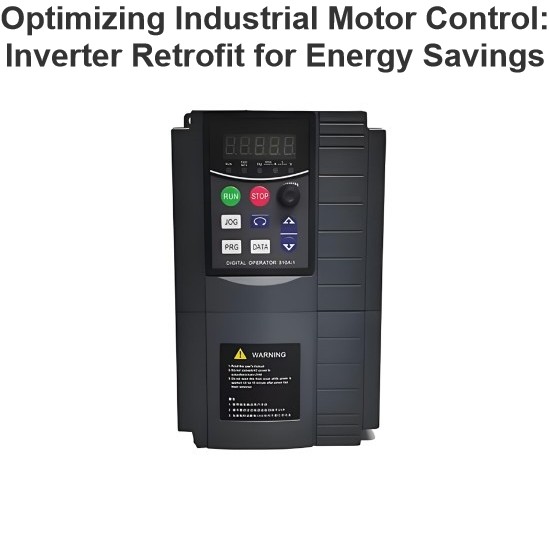
Optimizing Industrial Motor Control: Inverter Retrofit for Energy Savings
As the core of industrial production, electrical automation systems directly influence overall production costs and environmental impact. Traditional constant-speed operation often leads to energy waste when responding to varying load demands and makes precise process control difficult to achieve. Variable frequency speed regulation technology, as an advanced motor control method, offers a promising solution to these issues. This study takes the electrical automation system of a power plant as a
08/18/2025
Consult
Tip
Consult
Tip
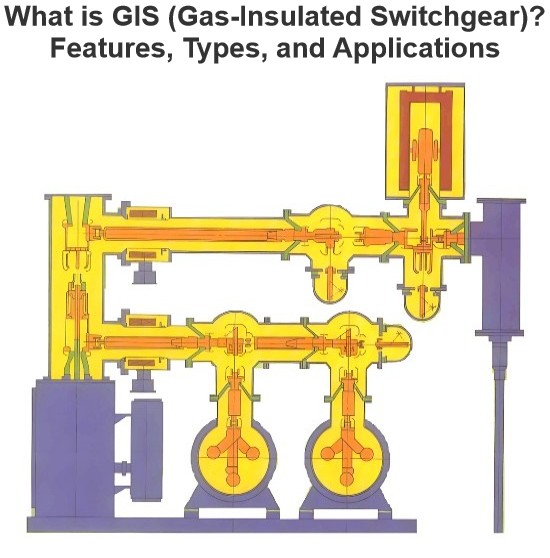
What is GIS (Gas-Insulated Switchgear)? Features, Types, and Applications
What is GIS Equipment?GIS is the English abbreviation for Gas Insulated Switchgear, which is fully translated into Chinese as Gas-Insulated Metal-Enclosed Switchgear. It typically uses sulfur hexafluoride (SF6) gas as the insulating and arc-quenching medium. GIS integrates, through optimized design, the main primary equipment in a substation—excluding the transformer—such as circuit breakers (CB), disconnectors (DS), earthing switches (ES/FES), busbars (BUS), current transfor
08/18/2025
Consult
Tip
Consult
Tip
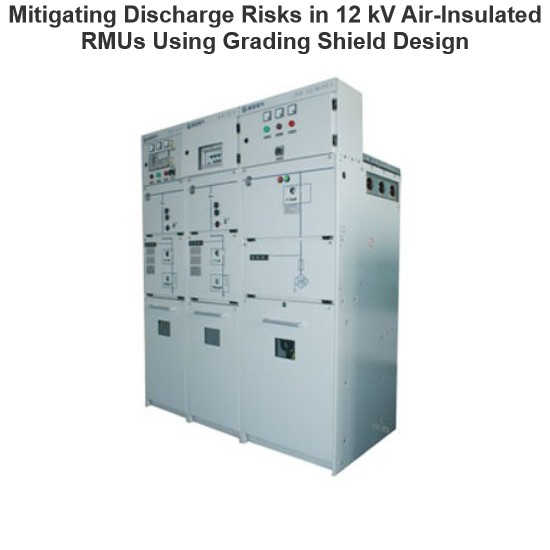
Mitigating Discharge Risks in 12 kV Air-Insulated RMUs Using Grading Shield Design
This paper takes the primary isolation break of a certain type of 12kV air-insulated ring main unit (RMU) as the research object, analyzing the electric field distribution and uniformity around it, evaluating the insulation performance at this location, and reducing discharge risk while enhancing insulation performance through structural optimization, thereby providing a reference for the insulation design of similar products.1 Structure of the Air-Insulated Ring Main UnitThe three-dimensional s
08/13/2025
Consult
Tip
Consult
Tip
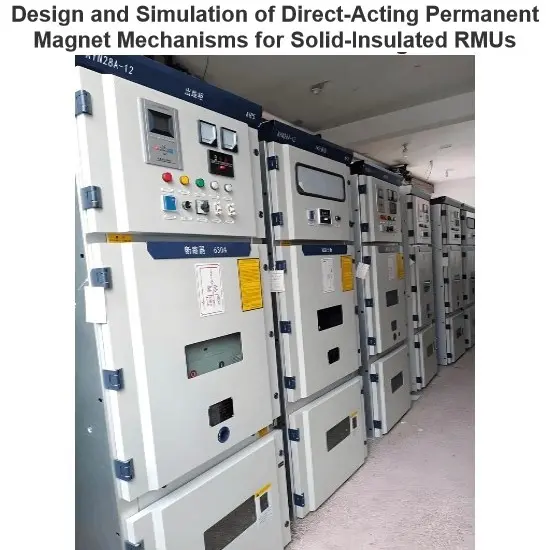
Design and Simulation of Direct-Acting Permanent Magnet Mechanisms for Solid-Insulated RMUs
1.Permanent Magnet Mechanism DesignDue to the high demand for miniaturization in solid-insulated ring main units (RMUs), traditional single permanent magnet mechanisms with three-phase interlocking cannot meet the overall miniaturization requirements of the equipment. Therefore, the permanent magnet mechanism designed in this context adopts a three-phase independent direct-acting structure. Each phase's arc extinguishing chamber unit is integrally cast with the casting body of the RMU and connec
08/12/2025
Consult
Tip
Consult
Tip
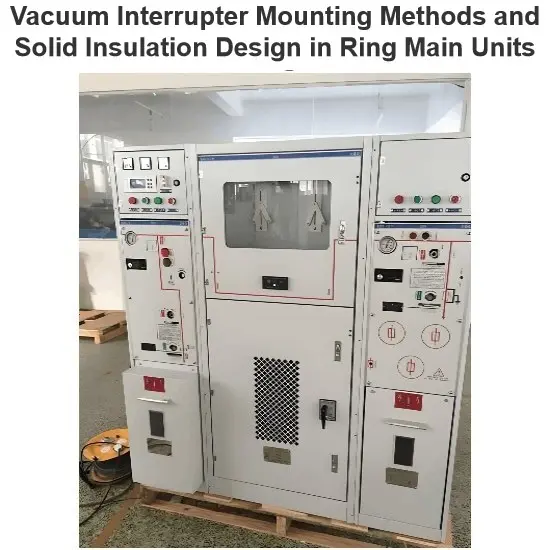
Vacuum Interrupter Mounting Methods and Solid Insulation Design in Ring Main Units
Selection of Vacuum Interrupter Mounting Method in Solid Insulation DesignThe key issue in designing solid insulation components is whether to use direct encapsulation or subsequent potting for the vacuum interrupter. If direct encapsulation is adopted, there may be a certain scrap rate due to APG process issues or vacuum interrupter quality problems. Additionally, direct encapsulation results in poorer heat dissipation for the main conductive circuit and demands higher material performance, mak
08/11/2025
Consult
Tip
Consult
Tip
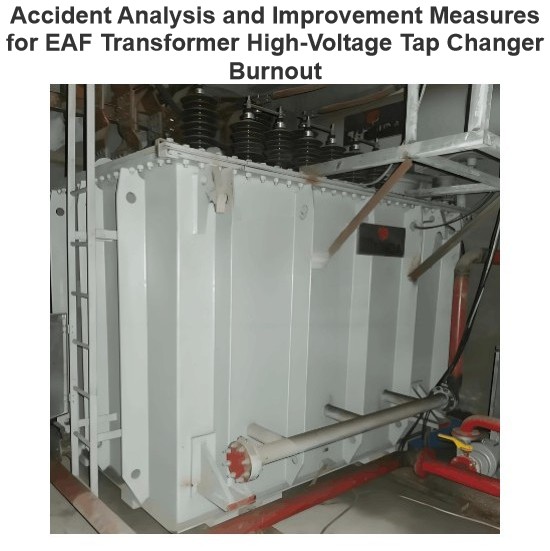
Accident Analysis and Improvement Measures for EAF Transformer High-Voltage Tap Changer Burnout
Currently, the company operates two electric arc furnace (EAF) transformers. The secondary voltage ranges from 121 V to 260 V, with a rated current of 504 A / 12,213 A. The high-voltage side has a total of eight tap positions, utilizing motor-driven off-circuit voltage regulation. The equipment is equipped with a reactor of corresponding capacity, connected in series to designated taps on the high-voltage side. These transformers have been in operation for over 20 years. Throughout this period,
08/07/2025
Consult
Tip
Consult
Tip
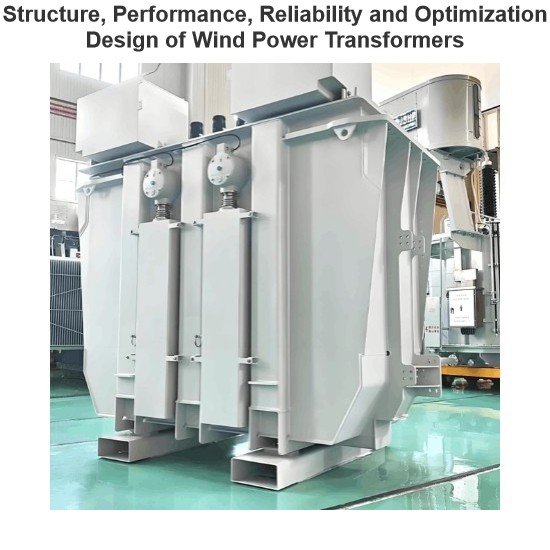
Structure, Performance, Reliability and Optimization Design of Wind Power Transformers
1 Basic Structure, Operating Characteristics and Special Requirements of Transformers for Wind Power Generation1.1 Basic Structure of Transformers(1) Core StructureTransformers for wind power generation adopt core materials with high magnetic permeability to reduce energy losses. In application, the core usually requires special treatment to adapt to the harsh environment of long - term high humidity and high salinity. Especially in offshore wind farms, the corrosion resistance of the core is pa
08/04/2025
Consult
Tip
Consult
Tip
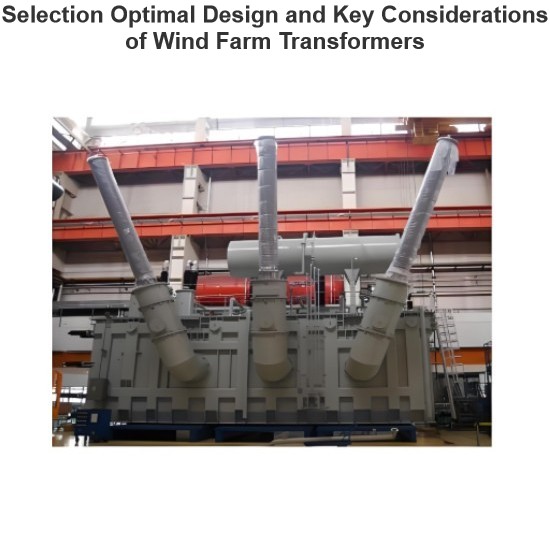
Selection Optimal Design and Key Considerations of Wind Farm Transformers
1 Significance of Selecting and Optimally Designing Wind Turbine Transformers in Wind FarmsAs wind power systems spread, more power transformers are integrated, boosting total equipment capacity and operating losses. Transformers, made mainly from costly silicon steel sheets, copper windings, and foils, are also tough to design. Thus, optimal design and scientific selection are needed to meet technical, national - standard, and user requirements.To ensure stable transformer operation, study thei
08/02/2025
Consult
Tip
Consult
Tip
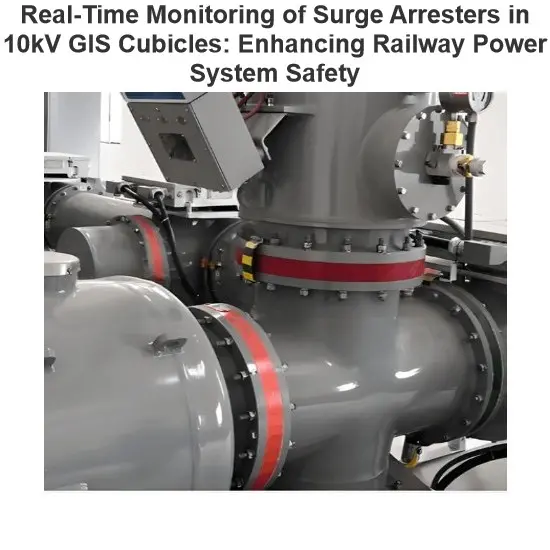
Real-Time Monitoring of Surge Arresters in 10kV GIS Cubicles: Enhancing Railway Power System Safety
1 Research BackgroundMetal - oxide surge arresters, sealed in cabinets, bear system voltage continuously, risking aging failures, even breakdowns/explosions causing electrical fires. Thus, regular inspection/maintenance is needed. Traditional 3–5 - year - cycle detection (power cut, arrester removal for tests; reinstallation if replaced) poses safety risks and faces space/environment - based standard - grasping difficulties.2 Monitoring Principle of 10kV GIS Cabinet Surge ArresterTo en
07/30/2025
Consult
Tip
Consult
Tip
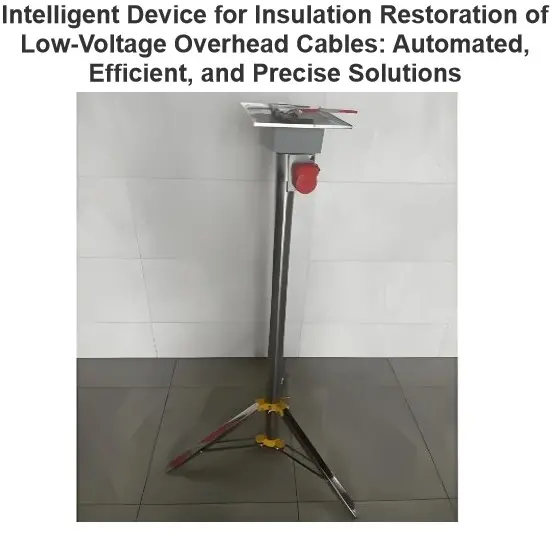
Intelligent Device for Insulation Restoration of Low-Voltage Overhead Cables: Automated, Efficient, and Precise Solutions
1. Current Situation and ProblemsLow - voltage overhead cables often suffer insulation damage. Urbanization and infrastructure construction expose them to complex environments (construction, severe weather like strong winds/rains causing scratches or impacts, animal damage), easily breaking insulation layers. Long - term operation also degrades insulation due to aging, corrosion, and prolonged sunlight—e.g., cables in old communities age and crack, raising failure risks.Existing restor
07/29/2025
Consult
Tip
Consult
Tip
Send inquiry
+86
Click to upload file
Download
Get the IEE Business Application
Use the IEE-Business app to find equipment, obtain solutions, connect with experts, and participate in industry collaboration anytime, anywhere—fully supporting the development of your power projects and business.