• Product
  • Suppliers
  • Manufacturers
  • Solutions
  • Free tools
  • Knowledges
  • Experts
  • Communities
Search


Free Expert Guides on Power Systems, Circuit Design & Electrical Troubleshooting

Access free engineering resources from IEE Business—covering power design, circuit layout, equipment selection, and troubleshooting. Expert-developed guides help engineers, procurement, and project teams make better decisions. Stay ahead on smart grids, renewables, efficiency, and AI tools. Improve reliability, reduce downtime, and enhance outcomes with real-world solutions. Explore our knowledge hub today.
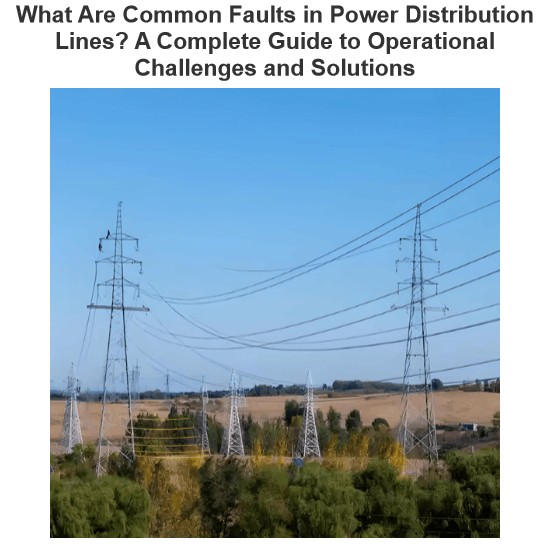
What Are Common Faults in Power Distribution Lines? A Complete Guide to Operational Challenges and Solutions
1 Overview of Power Transmission and Distribution Lines1.1 Key Characteristics of Power Transmission and Distribution Lines High Maintenance Difficulty: This is mainly due to the wide area covered by power transmission and distribution lines, the harsh terrain of the laying areas, and the impact of seasonal climate changes, all of which contribute to difficult maintenance. High Requirement for Operational Reliability: The reliable operation of power transmission and distribution lines is closely
09/06/2025
Consult
Tip
Consult
Tip
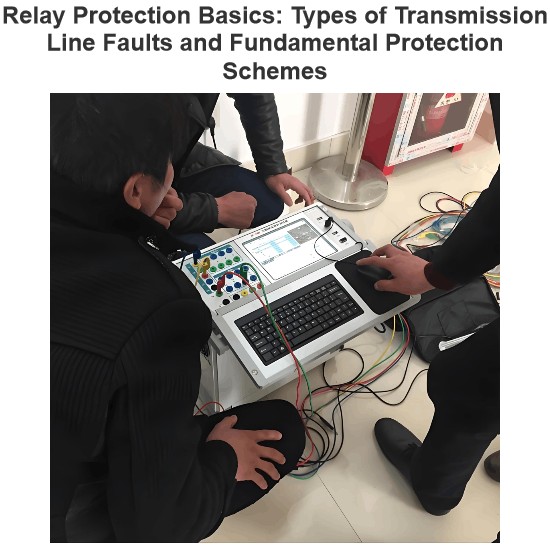
Relay Protection Basics: Types of Transmission Line Faults and Fundamental Protection Schemes
1. Types of Faults on Power LinesPhase-to-Phase Faults: Three-phase short circuit Two-phase short circuitGround Faults: Single-phase to ground fault Two-phase to ground fault Three-phase to ground fault2. Definition of Relay Protection DevicesWhen an abnormality or fault occurs in a component of a power system, relay protection devices are those that can quickly and selectively isolate the faulty or abnormal component from the system, ensuring the continued normal operation of the remaining heal
09/05/2025
Consult
Tip
Consult
Tip
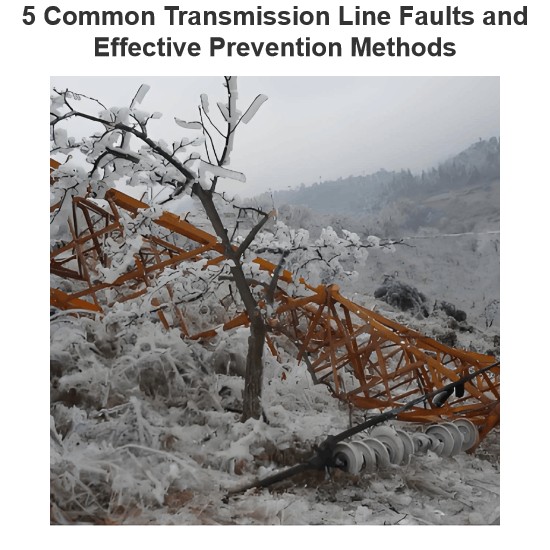
5 Common Transmission Line Faults and Effective Prevention Methods
1. OverviewA transmission line fault is a sudden power interruption caused by various factors. To restore supply and prevent recurrence, operators must first locate the fault point, identify the type, determine the cause, and implement repairs.The most common faults include: Lightning strikes Ice buildup (icing) Wind deviation (wind sway) Bird-related issues Pollution flashover External damageUnderstanding these faults and their prevention is critical for grid reliability.2. Lightning Strike Fau
09/05/2025
Consult
Tip
Consult
Tip
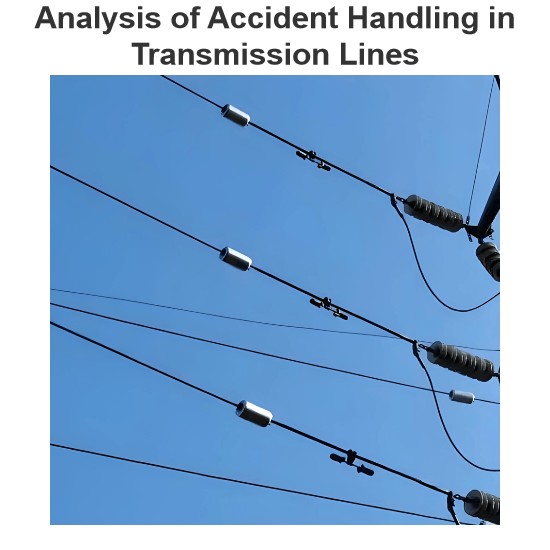
Analysis of Accident Handling in Transmission Lines
Analysis of Transmission Line Fault HandlingAs a fundamental component of the power grid, transmission lines are widely distributed and numerous, often exposed to diverse geographical and climatic conditions, making them highly susceptible to faults. Common causes include overvoltage, pollution flashover, insulation damage, tree encroachment, and external damage. Line tripping is one of the most frequent faults in power plant and substation operations, with fault types including single-phase-to-
09/04/2025
Consult
Tip
Consult
Tip
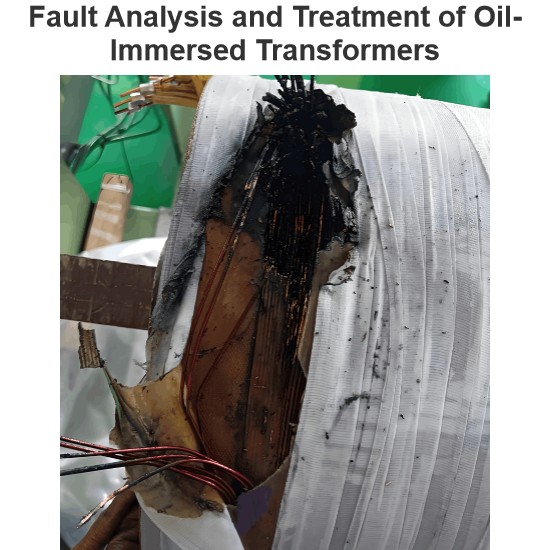
Fault Analysis and Treatment of Oil-Immersed Transformers
Oil Leakage at Welded JointsOil leakage at welded joints primarily stems from poor welding quality, such as incomplete or detached welds, and defects like pinholes and gas pores. Although oil-immersed transformers are initially coated with solder and paint during manufacturing, potentially masking these issues temporarily, the defects tend to surface during operation. Additionally, electromagnetic vibration can cause weld cracks, leading to oil leakage.To resolve such leaks, the first critical s
08/29/2025
Consult
Tip
Consult
Tip
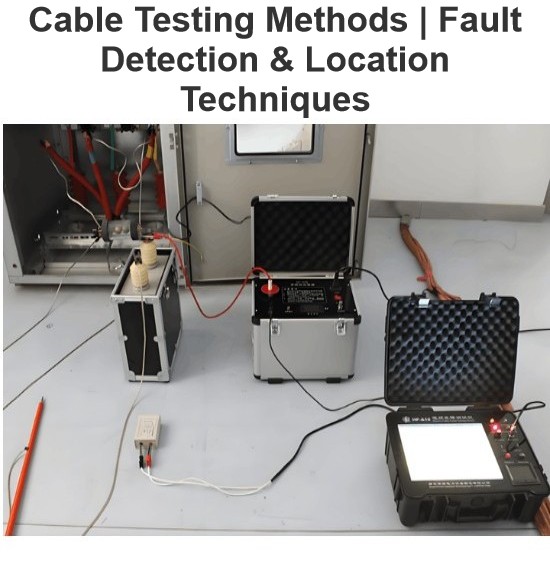
Cable Testing Methods | Fault Detection & Location Techniques
I. Methods for Cable Testing and Inspection: Insulation Resistance Test: Use an insulation resistance tester to measure the insulation resistance value of the cable. A high insulation resistance value indicates good insulation, while a low value may suggest insulation problems requiring further investigation. Voltage Withstand Test: Apply a high-voltage test using a high-voltage tester to verify whether the cable can withstand high voltage under its rated operating conditions. Under normal circu
08/29/2025
Consult
Tip
Consult
Tip
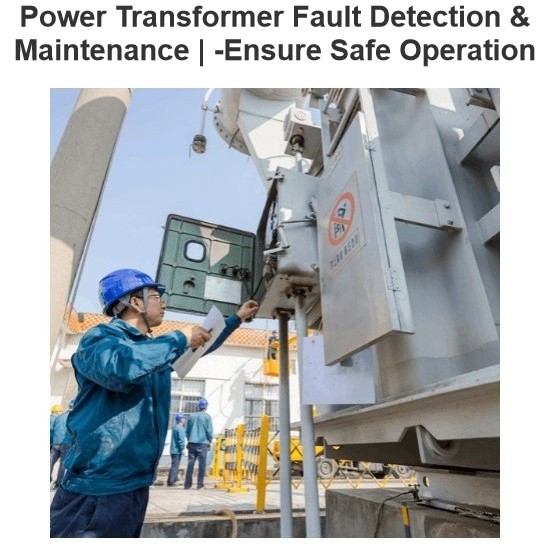
Power Transformer Fault Detection & Maintenance | -Ensure Safe Operation
Power transformer fault detection and repair typically require operation by experienced and qualified technical personnel. Below are some common steps for power transformer fault detection and maintenance:I. Check the transformer’s input and output voltage, current, temperature, and other parameters to ensure they are within normal ranges. Carefully read the transformer’s instruction manual to understand its rated voltage and current, temperature limits, and other special req
08/28/2025
Consult
Tip
Consult
Tip
Analysis of Earth Fault Protection in Low-Voltage Distribution Systems for Data Centers
Low-voltage power distribution lines are widely used across various industries, and the distribution environments are complex and diverse. These lines are accessed not only by professionals but also frequently by non-specialists, significantly increasing the risk of faults. Improper design or installation can easily lead to electric shock (particularly indirect contact), damage to wiring, or even electrical fires.The grounding system is a critical component of low-voltage distribution networks&m
08/25/2025
Consult
Tip
Consult
Tip
What Are the Maintenance Inspections for Electrical Equipment in High-Voltage Power Distribution Systems?
Comprehensive maintenance is crucial for ensuring the safe and stable operation of high-voltage power distribution systems. Key maintenance requirements include: First, utilizing operational maintenance to achieve SCADA system data monitoring and acquisition, ensuring that system operating parameters meet established constraints under normal conditions. Second, implementing maintenance to carry out Demand Side Management (DSM) and Load Management (LM), optimizing the load curve to prevent overlo
08/23/2025
Consult
Tip
Consult
Tip
The Necessity of Power Distribution System Maintenance
Fault PhenomenonA power distribution system fault occurred in a customer's server room, resulting in damage to some IT equipment and instruments. Upon receiving the feedback, our company's engineers immediately rushed to the site to inspect the power distribution system and analyze the cause of the fault.Fault InspectionThe server room uses a three-phase five-wire power supply system. Two three-phase input, three-phase output UPS units (without output isolation transformers) are operating in par
08/23/2025
Consult
Tip
Consult
Tip
Send inquiry
+86
Click to upload file
Download
Get the IEE Business Application
Use the IEE-Business app to find equipment, obtain solutions, connect with experts, and participate in industry collaboration anytime, anywhere—fully supporting the development of your power projects and business.