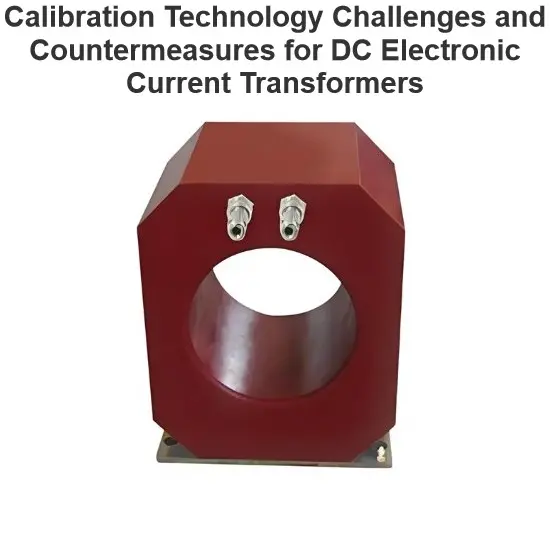
In modern power systems, DC electronic current transformers play a crucial role. They are not only used for high-precision current measurement but also serve as key tools for grid optimization, fault detection, and energy management. With the rapid development of high-voltage direct current (HVDC) transmission technology and its widespread deployment globally, the performance requirements for DC current transformers have become increasingly stringent, especially in terms of measurement accuracy
07/23/2025
Consult
Tip
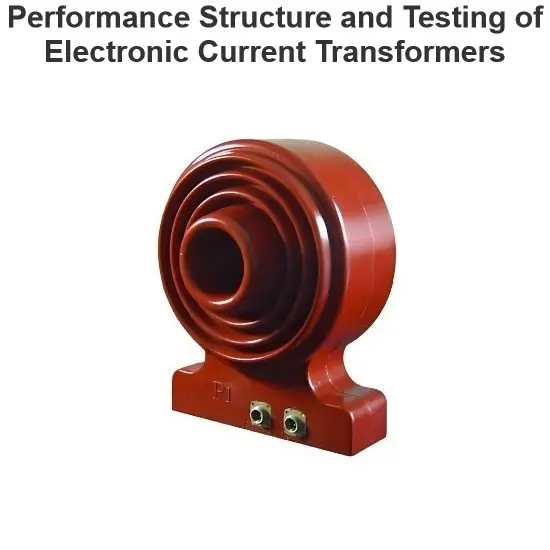
1 Performance AdvantagesIn recent years, electronic current transformers (ECTs) have emerged as a key industry trend. National standards classify them into two types: Active Optical Current Transformers (AOCTs, active hybrid type) and Optical Current Transformers (OCTs, passive optical type). Active hybrid ECTs use low-power electromagnetic transformers and Rogowski coils as core sensing elements (Figure 1).Rogowski coils outperform traditional sensors with non-saturation and wide dynamic ranges
07/22/2025
Consult
Tip
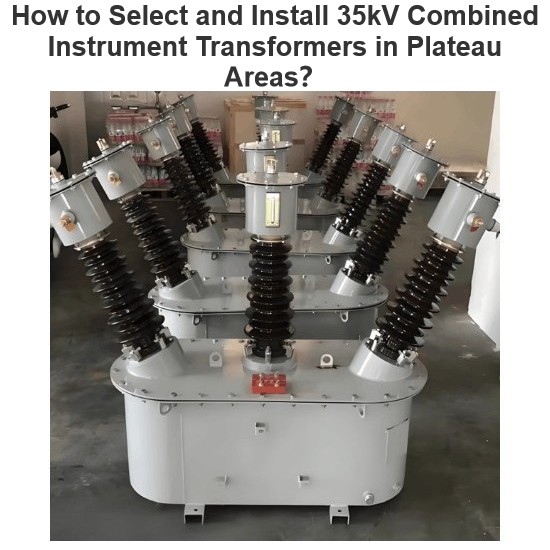
In real-world engineering projects, selecting and installing 35kV combined instrument transformers isn't just a matter of "buying and installing" — it requires a comprehensive evaluation of many factors, such as environmental conditions, equipment performance, and maintenance convenience. Only by taking all these aspects into account can we ensure that the equipment runs safely and stably for a long time under specific conditions.1. Oil-Immersed vs. Dry-Type Transformers — Wh
07/22/2025
Consult
Tip
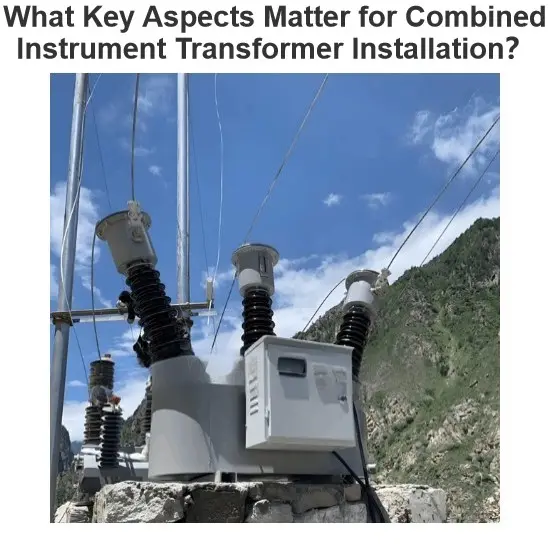
The installation quality of combined instrument transformers directly affects whether they can operate safely and stably. Therefore, during the installation process, several key aspects must not be overlooked — such as foundation construction, grounding, sealing checks, testing and commissioning, as well as secondary wiring. Below, I’ll explain these points in a more conversational way.1. Foundation Construction Must Be Solid, Especially in Plateau AreasAlthough a combined in
07/22/2025
Consult
Tip
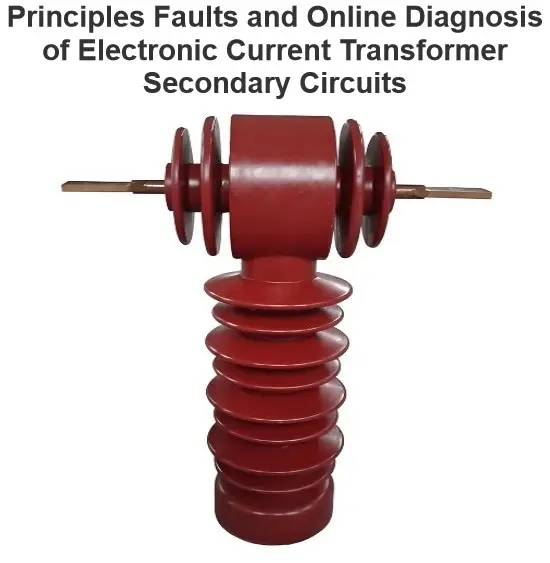
1 Principle and Role of Electronic Current Transformers1.1 Working Principle of ECTAn Electronic Current Transformer (ECT) is a key device for managing safe power system operations, converting large currents into manageable small-current signals for measurement and control. Unlike traditional transformers (relying on direct magnetic field interaction between primary and secondary windings), ECTs use sensors (e.g., Hall effect sensors) to detect magnetic field changes from the primary winding. Th
07/22/2025
Consult
Tip
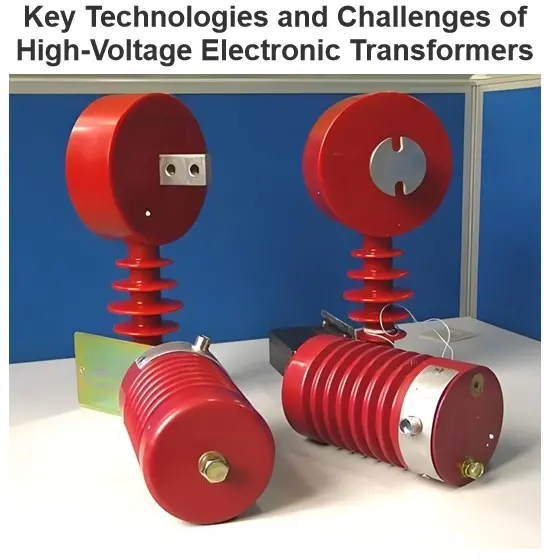
Traditional power transformers face inherent issues due to their sensors. Critically, they are vital for power plant monitoring, control, and protection (e.g., fault recording, safety control). However, large electrical energy transmission via information carriers and the lack of digital signal output from digital systems complicate secondary communication. Complex secondary wiring compensates for microcomputers’ high reliability, streamlining protection and secondary devices. This inn
07/22/2025
Consult
Tip
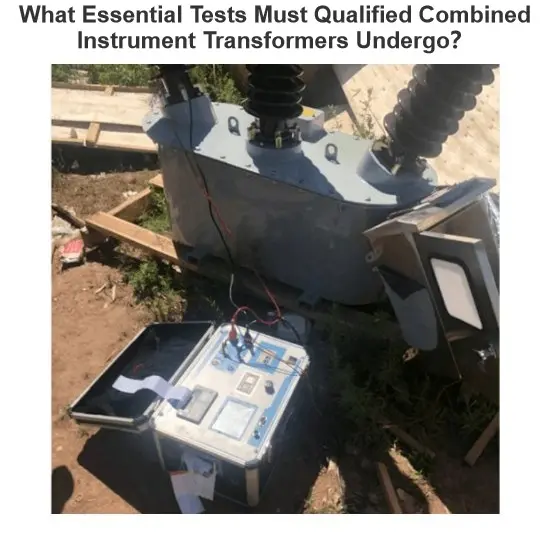
Hi everyone, I’m Oliver, and I’ve been working in the instrument transformer industry for almost eight years now. From a complete newbie to someone who can now handle things independently, I’ve participated in dozens of combined instrument transformer inspections over the years.Today, I’d like to share with you: What tests must a qualified combined instrument transformer go through before leaving the factory or being put into operation? After all, it's a v
07/21/2025
Consult
Tip
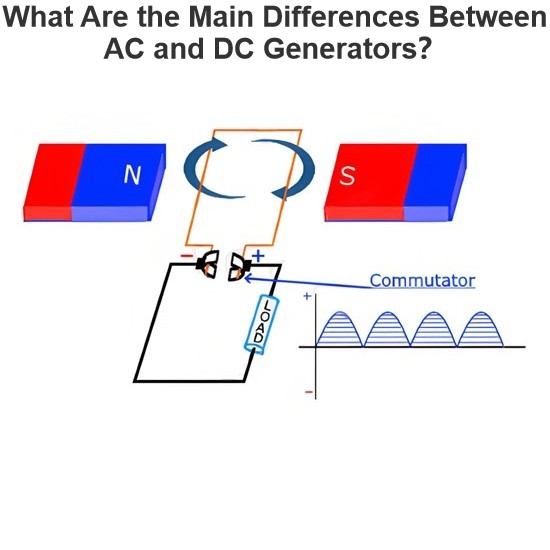
Main Differences Between AC and DC GeneratorsAn electrical machine is a device that converts mechanical energy into electrical energy and vice versa. A generator is a type of such machine that converts mechanical energy into electrical energy. However, the electrical energy generated can be in either alternating current (AC) or direct current (DC) form. Thus, the primary difference between AC and DC generators is that they generate alternating current and direct current respectively. While there
07/18/2025
Consult
Tip
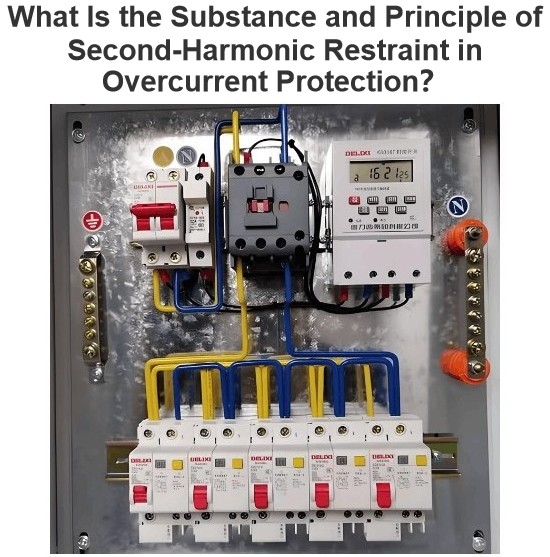
Substance of Second - harmonic Restraint in Overcurrent ProtectionThe substance of second - harmonic restraint in overcurrent protection is to use the second - harmonic component to judge whether the current is a fault current or an excitation inrush current. When the percentage of the second - harmonic component to the fundamental - wave component is greater than a certain value, it is judged to be caused by the excitation inrush current, and the overcurrent protection is blocked.Therefore, the
07/18/2025
Consult
Tip
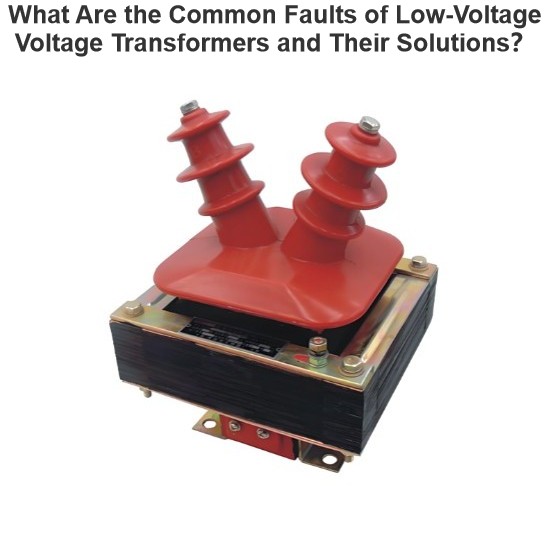
Open - Circuit Fault on the Secondary SideOpen - circuit in the secondary side is a typical fault of low - voltage voltage transformers, showing abnormal voltmeter readings (zero/fluctuation), faulty power meters, buzzing noises, and core overheating. When open - circuited, the secondary voltage spikes (no secondary current to balance the primary EMF), causing core saturation, flux distortion, and potential overheating/damage.Causes include loose terminals, poor contact, or human error. In low
07/18/2025
Consult
Tip






