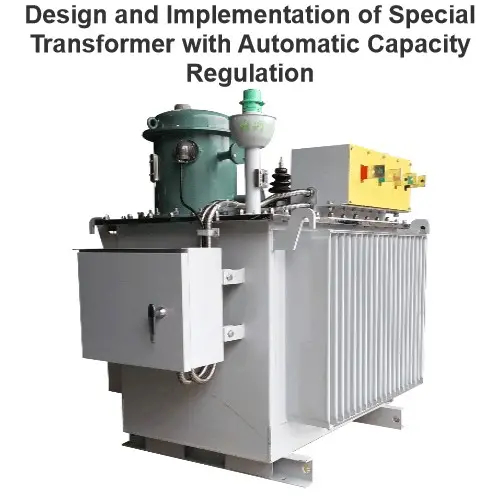
1. IntroductionEnergy is essential for societal operation and development. To meet national energy - conservation and emission - reduction policies, improving resource utilization—critical for power enterprises—is necessary. Multi - stage rural grid upgrades drive distribution transformer development. Despite high efficiency, widespread transformers still face significant overall losses due to capacity and usage issues; 70% of medium - and low - voltage grid losses come from
07/26/2025
Consult
Tip
1 Relevant Theories of Small Neutral Point Reactors in 500kV Substations1.1 Definitions and RolesA reactor is a key power system component that controls the phase relationship between AC current and voltage, divided into inductive and capacitive types. Inductive reactors limit short-circuit currents and improve stability; capacitive ones enhance transmission efficiency and voltage quality. A small neutral point reactor is a specialized type connected between a three-phase system's neutral point
07/25/2025
Consult
Tip
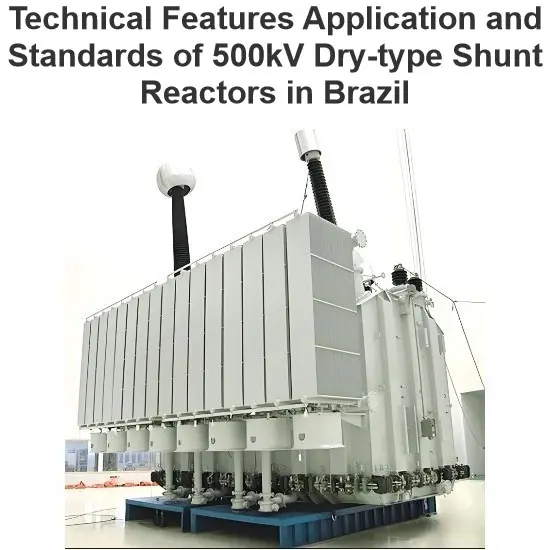
1 Technical Features and Standard References of 500kV Dry - type Shunt Reactors1.1 Technical FeaturesThe 500kV dry - type shunt reactor, an oil - free power device for ultra - high - voltage transmission systems, boasts core features like advanced insulation, innovative heat dissipation, optimized electromagnetic design, and modular structure. These advantages, outperforming traditional oil - immersed reactors, also drive new technical standard demands. Advanced Insulation: Using epoxy resin cas
07/24/2025
Consult
Tip
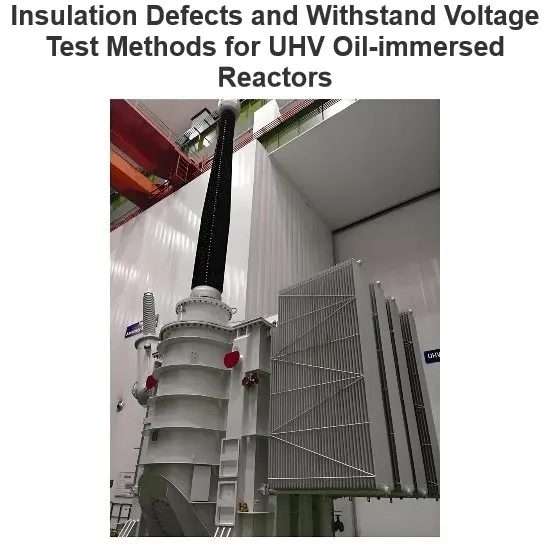
1 Investigation of Insulation Defects in UHV Oil - immersed ReactorsKey challenges in high - voltage oil - filled reactors during operation include insulation faults, iron - core magnetic leakage heating, vibration/noise, and oil leakage.1.1 Insulation FaultsParallel - connected reactors, once connected to the main grid’s primary coil and put into use, operate at full power long - term. Sustained high voltage raises operating temperatures, accelerating aging of coil insulation material
07/24/2025
Consult
Tip
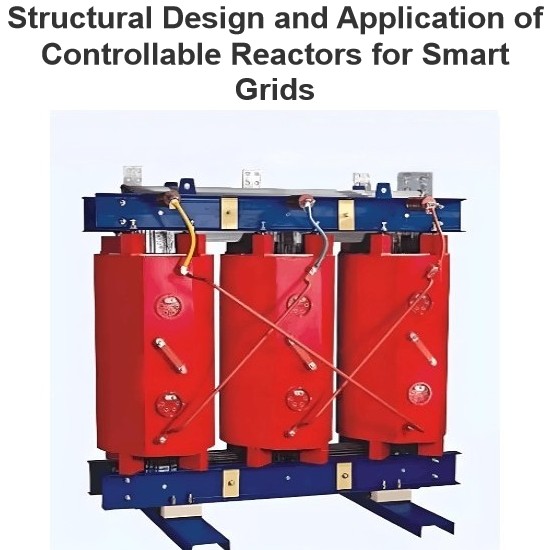
Reactors are key for reactive power compensation in power systems, with magnetically controlled reactors as a research focus. A smart grid, upgrading the traditional one via advanced tech, boosts safety and reliability, raising demands for controllable reactors. Thus, developing new - type ones matters. This paper, combining practice, explores their structural design and application to drive innovation and enhance smart grid construction.1 Functions and Application Status of Controllable Reactor
07/24/2025
Consult
Tip
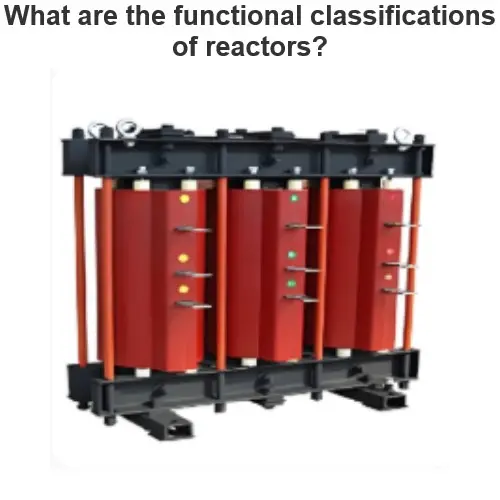
Classification of Reactors by Function (Main Applications)Reactors play a crucial role in power systems. One of the most common and important ways to classify them is by their function — that is, what they’re used for. Let’s take a closer look at each type in simple, easy-to-understand terms.1. Current-Limiting Reactors Series ReactorsThese reactors areconnected in serieswith the circuit — kind of like a speed bump in the electrical flow.Purpose: Increase
07/24/2025
Consult
Tip
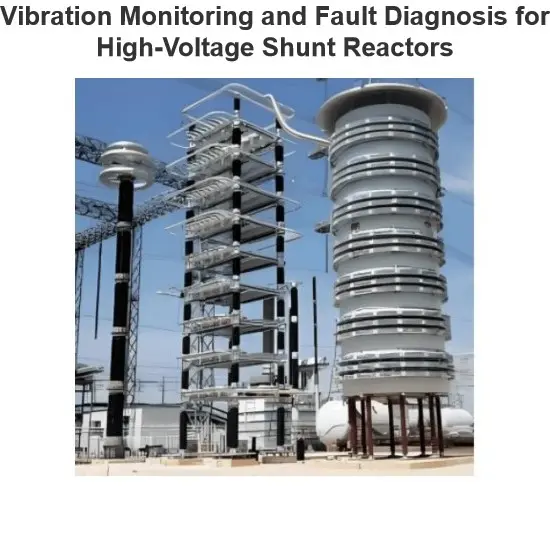
1 Vibration Monitoring and Fault Diagnosis Technology for High - Voltage Shunt Reactors1.1 Measuring Point Layout StrategyVibration characteristic parameters (frequency, power, energy) of high - voltage shunt reactors are fully recorded in operation logs. For vibration analysis, focus on resolving the complexity of electric field distribution at winding ends. Quantitatively evaluate field - strength distribution under operating/lightning overvoltage and voltage gradient characteristics of longit
07/24/2025
Consult
Tip
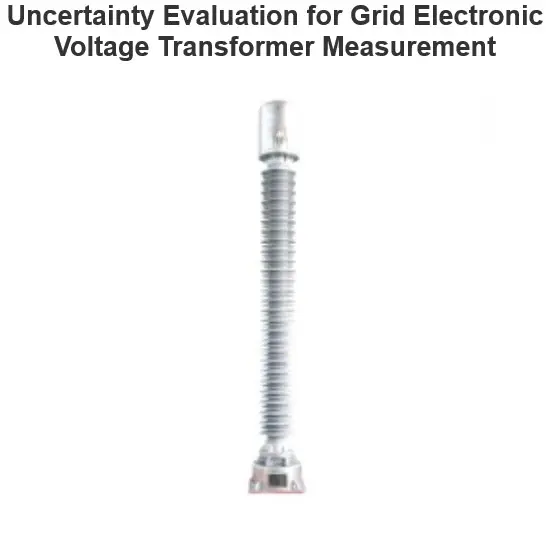
1. IntroductionGrid electronic voltage transformers, as indispensable measuring components in power systems, have their measurement accuracy directly tied to the stable operation and efficient management of power systems. However, in practice, due to the inherent characteristics of electronic components, environmental factors, and limitations of measurement methods, the measurement results of voltage transformers often involve uncertainty. This uncertainty not only impacts the accuracy of power
07/24/2025
Consult
Tip
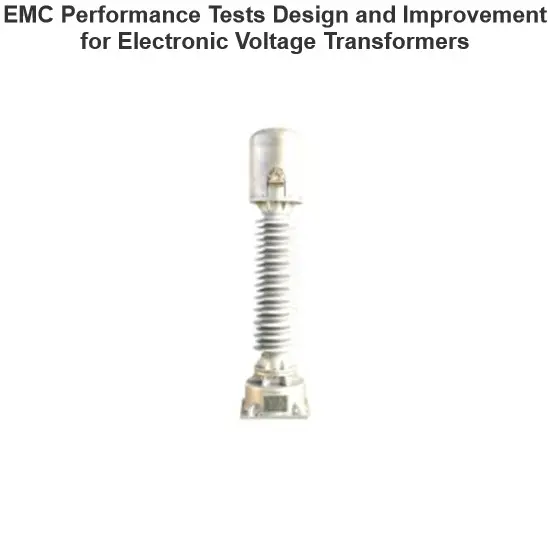
1 Overview of EMC Performance of Electronic Voltage Transformers1.1 Definition & Requirements of EMCElectromagnetic Compatibility (EMC) denotes a device/system’s ability to operate undisturbed in a given electromagnetic environment and avoid causing unacceptable electromagnetic interference to other entities. For electronic voltage transformers, EMC demands stable measurement performance in complex settings, without interfering with other devices. Their EMC performance must be fact
07/23/2025
Consult
Tip
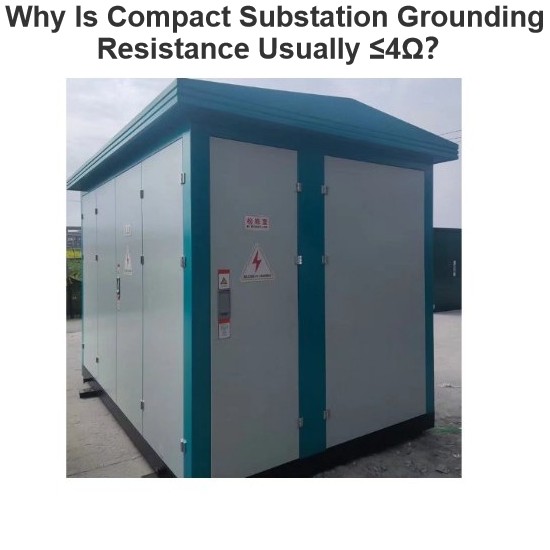
As a key power distribution equipment, the safe operation of a compact substation relies on reliable grounding measures. People often wonder: Why is the grounding resistance of a compact substation generally required to be no more than 4Ω? Behind this value, there are rigorous technical bases and application scenario restrictions. In fact, the requirement of ≤4Ω is not mandatory in all cases. It mainly applies to scenarios where the high - voltage system adopts "ungrou
07/23/2025
Consult
Tip






