
An out-of-phase condition transpires when a generator circuit breaker (GCB) closing operation is executed precisely at the moment when there is a lack of synchronism between the voltage phasors of the generator on one side of the GCB and those of the external grid on the other side. Another common scenario is when a generator runs in an out-of-phase state due to system instability, necessitating the tripping of the GCB.The severity of such an interruption is directly related to the out-of-phase
04/22/2025
Consult
Tip

Generator circuit breakers are essentially suitable for a wide array of power generation plants, including fossil - fired, nuclear, gas turbine, combined - cycle, hydro, and pumped storage power plants. They are also ideal for retrofitting existing power stations that lack generator circuit breakers.Advantages of General Circuit Breakers (GCB) in the GridIn the past, generator circuit breakers were commonly used in multi - unit stations where several relatively small generators were linked to a
04/22/2025
Consult
Tip
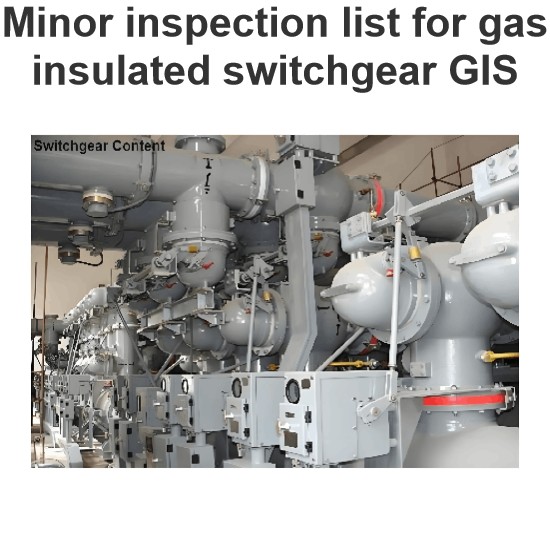
This inspection of GIS components can typically be carried out every 5 - 10 years. However, its frequency can also hinge on the number of operations of switching devices and the manufacturer's recommendations. The overarching aim is to verify the proper functioning of all switching devices. To this end, the relevant equipment must be de - energized.GIS manufacturers furnish users with recommended maintenance plans, which should be scrupulously adhered to. The typical operations during this inspe
04/21/2025
Consult
Tip
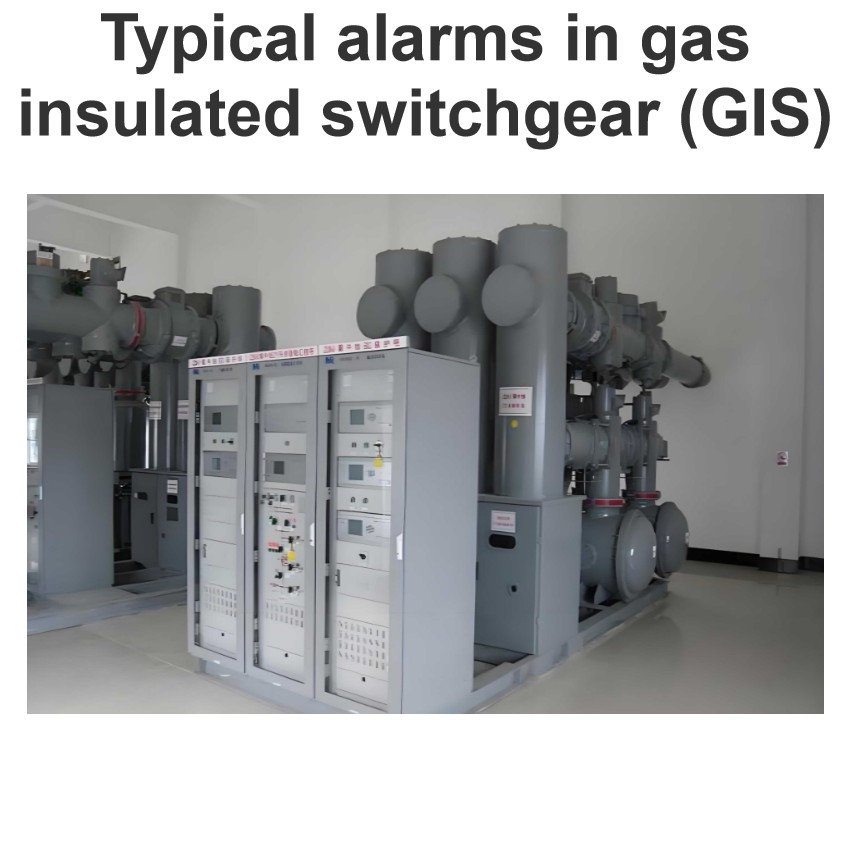
Gas Leak IndicationA gas density of approximately 90% or lower in each gas compartment and zone indicates the presence of a gas leak. This compromised gas density can gradually undermine the integrity of the insulation and operational performance of the equipment.Insulation Rating Non - ComplianceWhen the gas density drops to around 80% or less in every gas compartment and zone, it means that the dielectric ratings of the apparatus can no longer be maintained. This situation poses a significant
04/19/2025
Consult
Tip
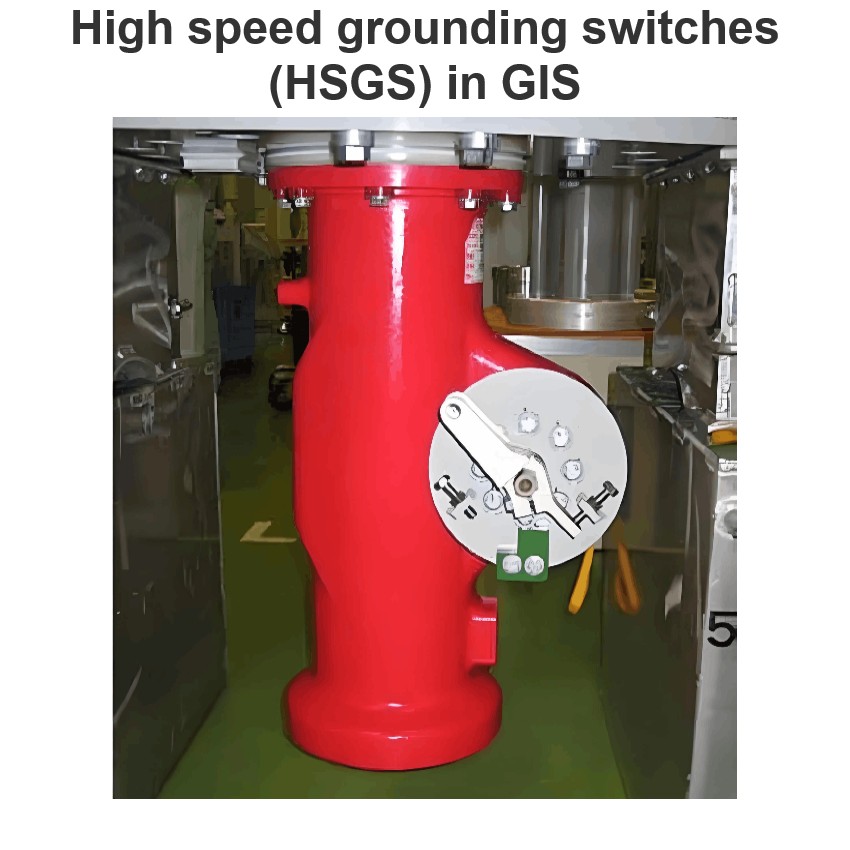
The primary purpose of these switches is identical to that of grounding switches in air - insulated substations and non - fault - initiating grounding switches in Gas - Insulated Switchgear (GIS).High - Speed Grounding Switches (HSGS) possess an additional feature: they can close an energized conductor, creating a short - circuit while sustaining minimal damage to either the switch itself or its enclosure. HSGS are utilized to ground various active components within a substation, including trans
04/18/2025
Consult
Tip
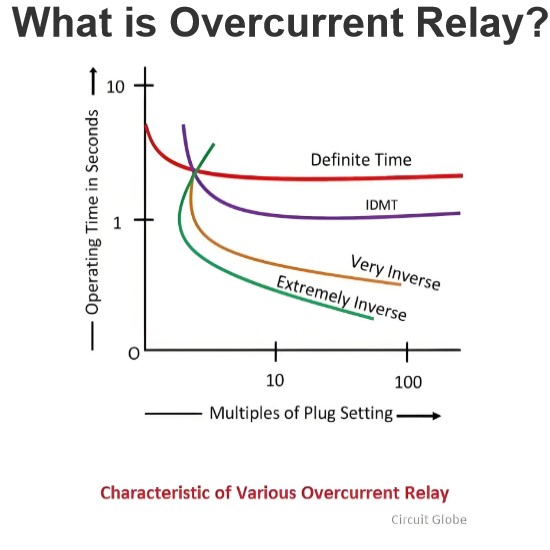
What is Overcurrent Relay?DefinitionAn overcurrent relay is defined as a relay that activates only when the current value exceeds the relay's set value. It safeguards the equipment in the power system from fault currents.Classification Based on Operation TimeBased on the time it takes to operate, the overcurrent relay can be categorized into the following types: Instantaneous Overcurrent Relay Inverse Time Overcurrent Relay Definite Time Overcurrent Relay Inverse Definite Time Overcurrent Relay
04/16/2025
Consult
Tip

In most types of Gas - Insulated Switchgear (GIS), the Ultra - High - Frequency (UHF) energy is concentrated within the frequency range of 100 MHz to 2 GHz. The frequency response of the sensor is contingent upon its size, shape, and the connection method employed. Most sensors are, in themselves, resonant structures at UHF frequencies, and this characteristic can be exploited to enhance performance. Typical sensors are depicted in the figure.Internal sensors are typically installed in a recess
04/16/2025
Consult
Tip

What is Static Relay ?Definition: A relay that has no moving parts is referred to as a static relay. In this type of relay, the output is generated by static components such as magnetic and electronic circuits. Even if a relay combines static elements with an electromagnetic relay, it is still called a static relay. This is because the static units are responsible for sensing the input and generating a response, while the electromagnetic relay is merely utilized for the switching operation.The c
04/15/2025
Consult
Tip

The partitioning of a Gas - Insulated Switchgear (GIS) is significantly influenced by the service continuity requirements during maintenance, repair, and extension activities. Additionally, local health and safety regulations must be taken into account.GIS should be divided into compartments in a way that: During various operations that necessitate the de - energization of certain parts of the GIS, such as maintenance, repair, and extension, the compartments taken out of service adhere to the us
04/15/2025
Consult
Tip

Rogowski coils offer highly accurate secondary outputs without the risk of saturation since they do not incorporate an iron core. The air - core design ensures linear measurement, although it generates only a relatively small voltage (1V as opposed to 100V). This characteristic enables a compact equipment layout and allows for easy integration into Gas - Insulated Switchgear (GIS) with minimal space requirements due to the absence of an iron core. Additionally, Rogowski coils exhibit high immuni
04/14/2025
Consult
Tip






