• Product
  • Suppliers
  • Manufacturers
  • Solutions
  • Free tools
  • Knowledges
  • Experts
  • Communities
Search


Free Expert Guides on Power Systems, Circuit Design & Electrical Troubleshooting

Access free engineering resources from IEE Business—covering power design, circuit layout, equipment selection, and troubleshooting. Expert-developed guides help engineers, procurement, and project teams make better decisions. Stay ahead on smart grids, renewables, efficiency, and AI tools. Improve reliability, reduce downtime, and enhance outcomes with real-world solutions. Explore our knowledge hub today.
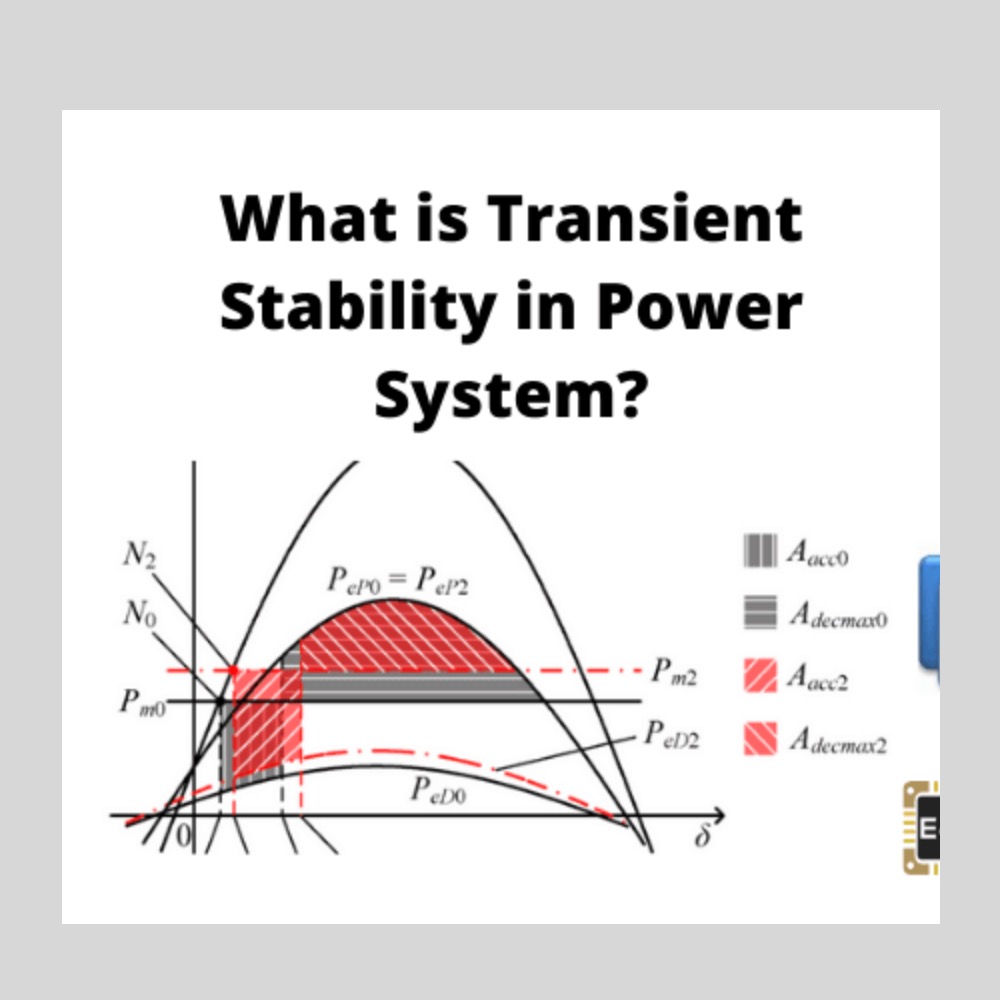
Transient Stability in Power System
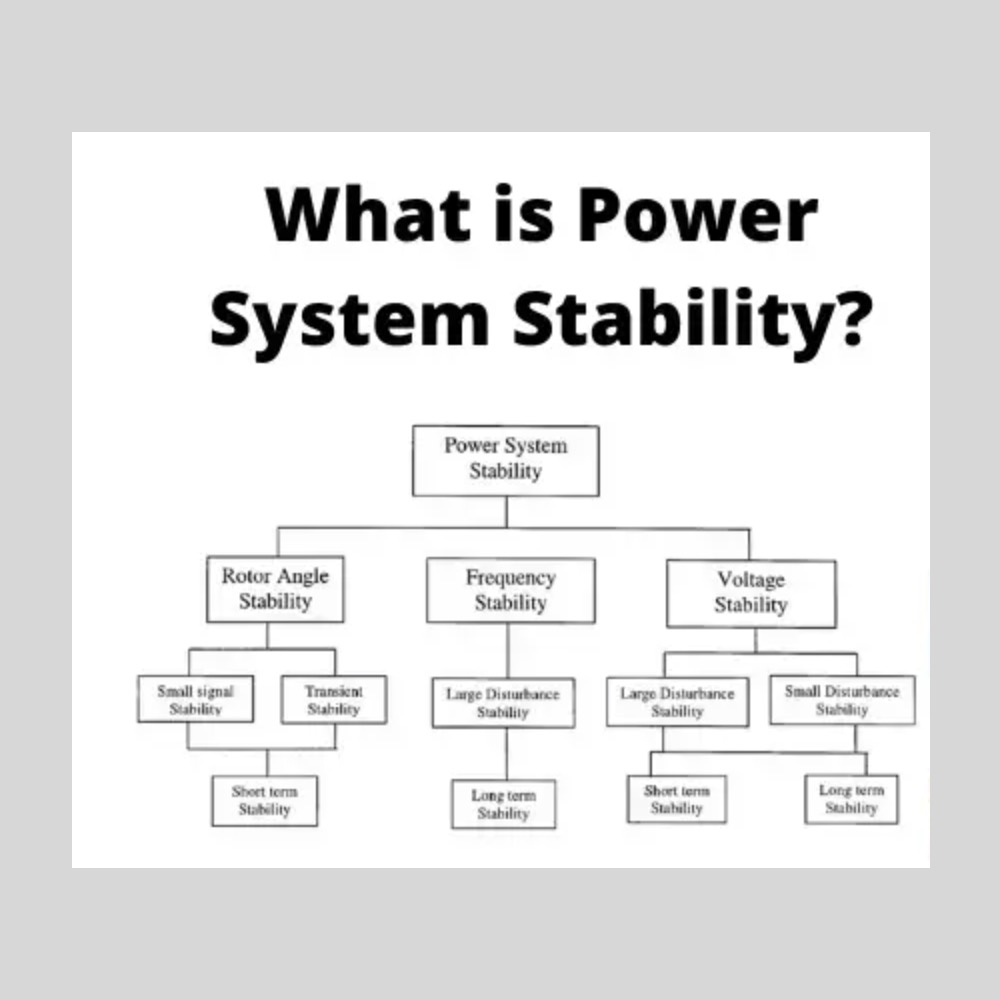
The ability of a synchronous power system to return to stable condition and maintain its synchronism following a relatively large disturbance arising from very general situations like switching ON and OFF of circuit elements, or clearing of faults, etc. is referred to as the transient stability in power system. More often than not, the power generation systems are subjected to faults of this kind, and hence its extremely important for power engineers to be well-versed with the stability conditio
03/22/2024
Consult
Tip
Consult
Tip
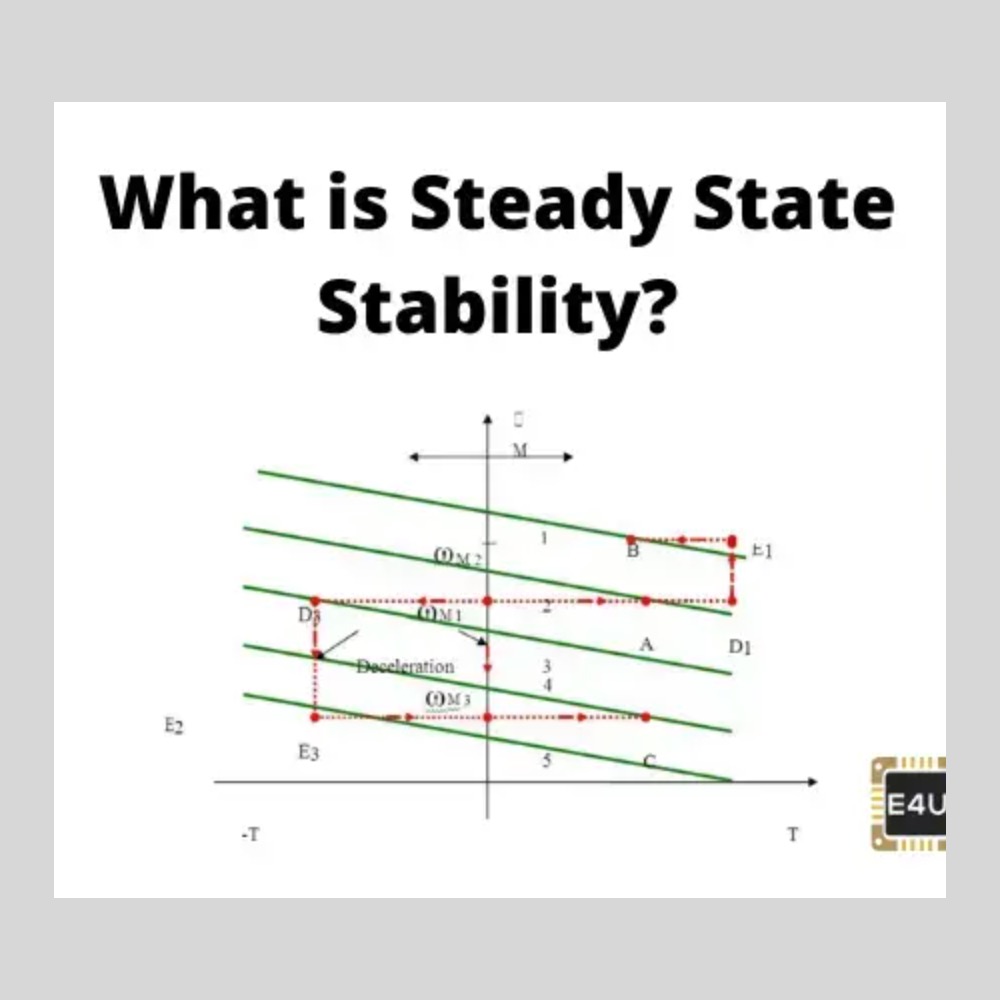
Steady State Stability
As an introduction, we need to know about power state stability. It is really the capability of the system to return to its steady state condition after subjected to certain disturbances. We can now consider a synchronous generator to understand the power system stability. The generator is in synchronism with the other system connected to it. The bus connected to it and the generator will have same phase sequence, voltage and the frequency. So, we can say that the power system stability here is
03/22/2024
Consult
Tip
Consult
Tip
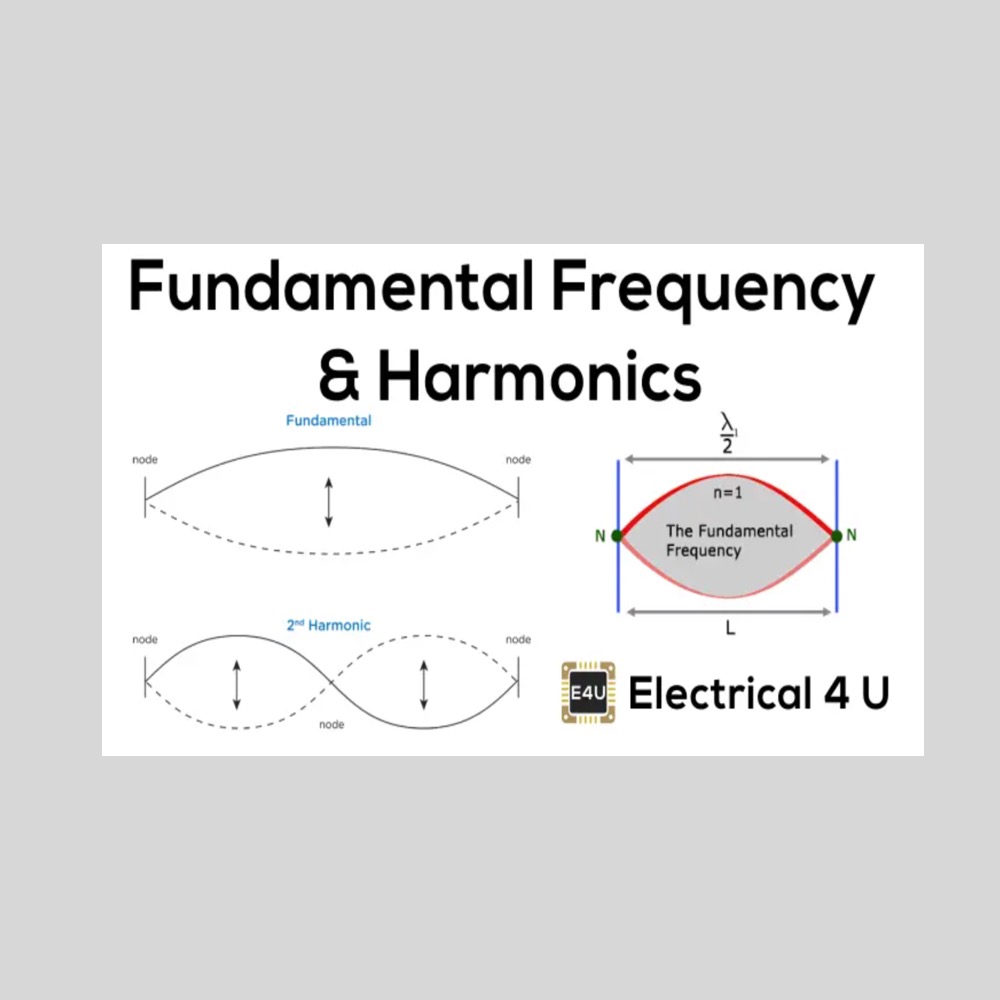
Fundamental Frequency And Harmonics: What Are They?
What Are Harmonics?Harmonics are defined as an unwanted higher frequency component that is an integer multiple of the fundamental frequency. Harmonics create a distortion in the fundamental waveform.Harmonics usually have a lower amplitude (volume) than the fundamental frequency.What is Amplitude?The maximum value (positive or negative) of an alternating quantity is known as its amplitude.Sources of HarmonicsHarmonics are produced due to the non-linear loads such as an iron-cored inductor, recti
03/22/2024
Consult
Tip
Consult
Tip
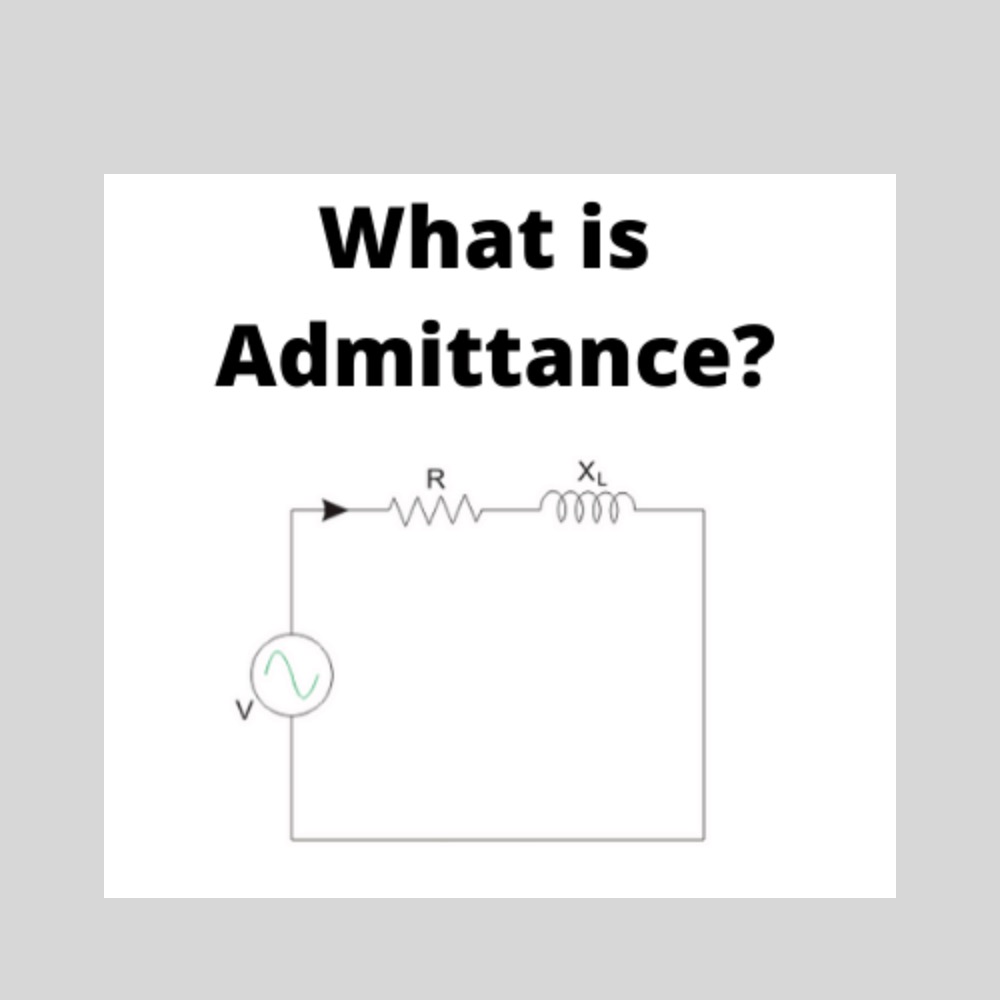
Admittance: What is it? (Formula & Admittance vs Impedance)
What is Admittance?Admittance is defined as a measure of how easily a circuit or device will allow current to flow through it. Admittance is the reciprocal (inverse) of impedance, akin to how conductance and resistance are related. The SI unit of admittance is the siemens (symbol S).To reiterate the above definition: let us first go through some important terms which associated with the topic admittance. We all know that resistance (R) has only magnitude but no phase. We can say that it is the m
03/22/2024
Consult
Tip
Consult
Tip
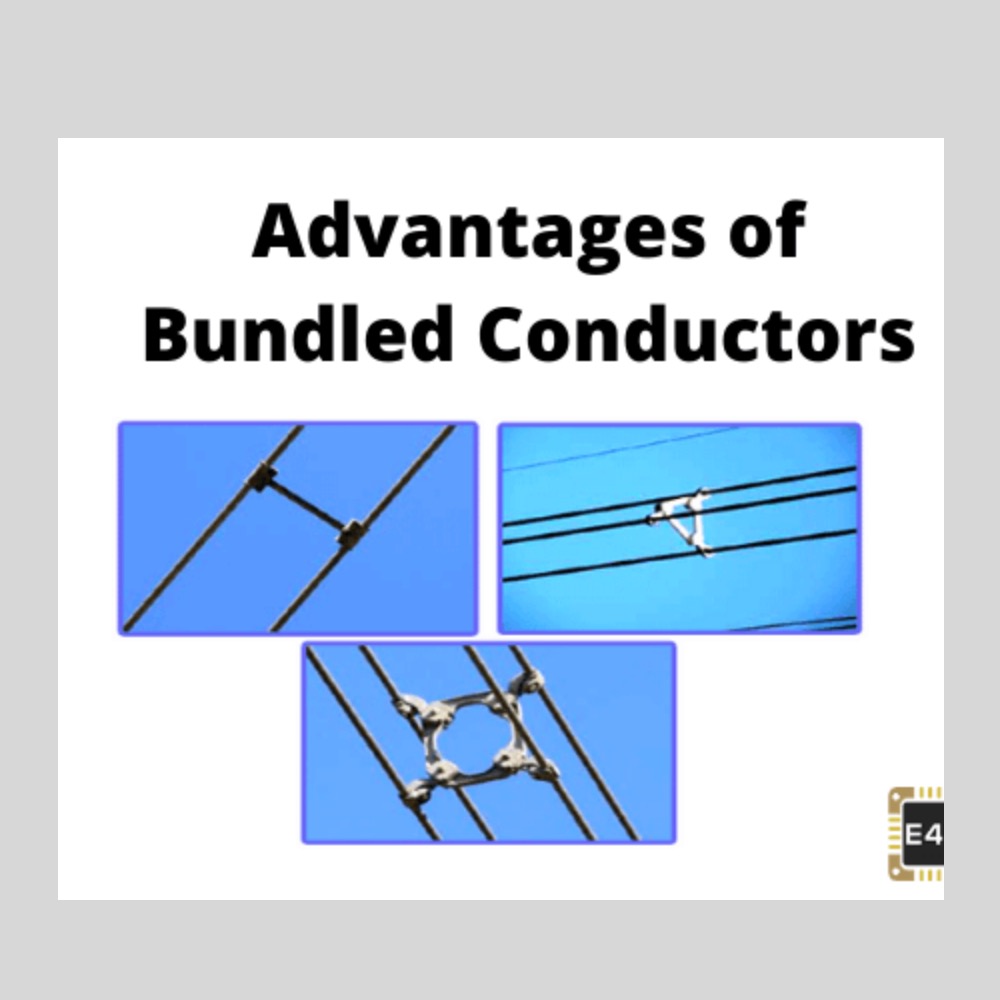
Advantages of Bundled Conductors
What are Bundled Conductors?We can often see the transmission lines where instead of a single conductor per phase multiple conductors per phase are being used. A metallic structure called spacers groups the conductors of a phase. These spaces help to maintain a constant distance between the conductors throughout their length, avoid clashing of conductors amongst themselves and also allowing them to be connected in parallel. Each phase can have two, three, or four conductors. The figures below sh
03/22/2024
Consult
Tip
Consult
Tip
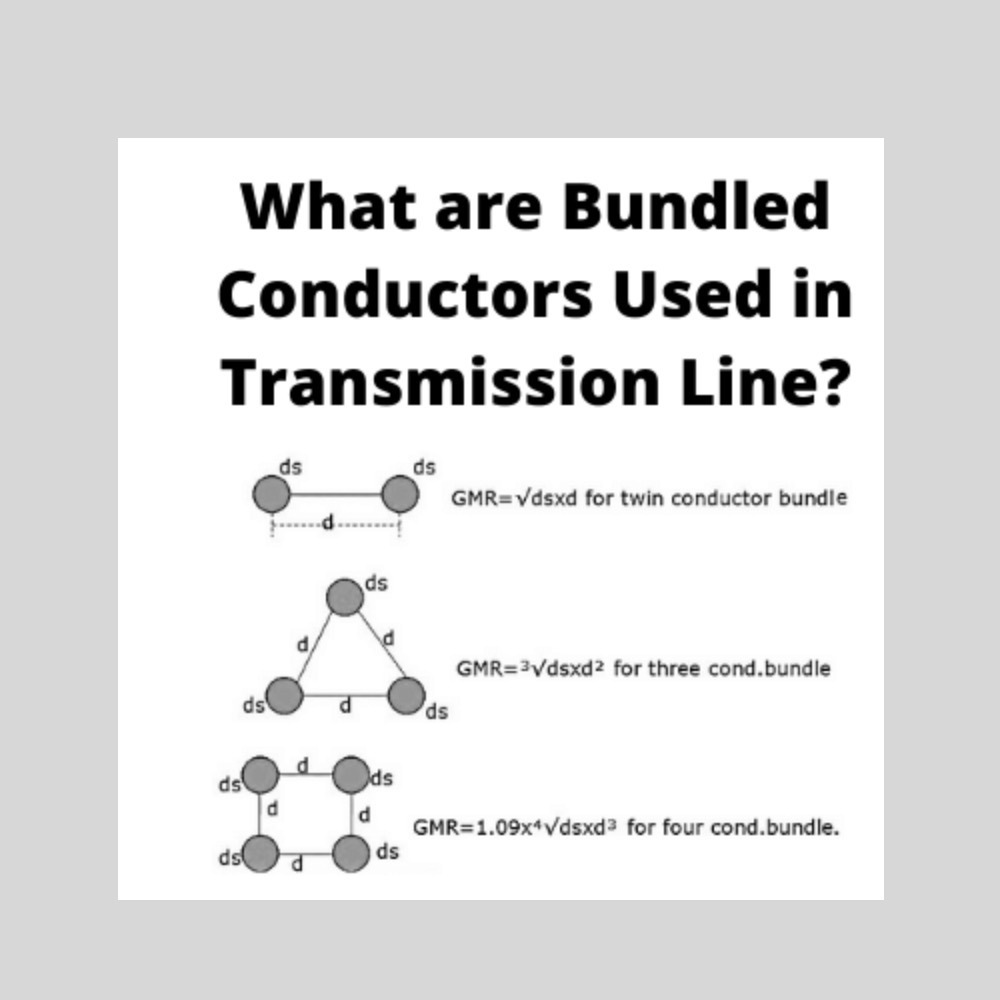
Bundled Conductors Used in Transmission Line
Single stranded conductors are used in transmission system usually up to 220 KV. But it is not possible to use single-stranded conductor for the voltage above 220 KV systems. For very high voltage system, hollow conductor can be used to optimize the flow of current through it. But erection and maintenance of hollow conductors in the ∑HV system are not economical. The problem can be solved by using bundled conductors instead of hollow conductor in the electrical transmission system above 220 KV v
03/22/2024
Consult
Tip
Consult
Tip
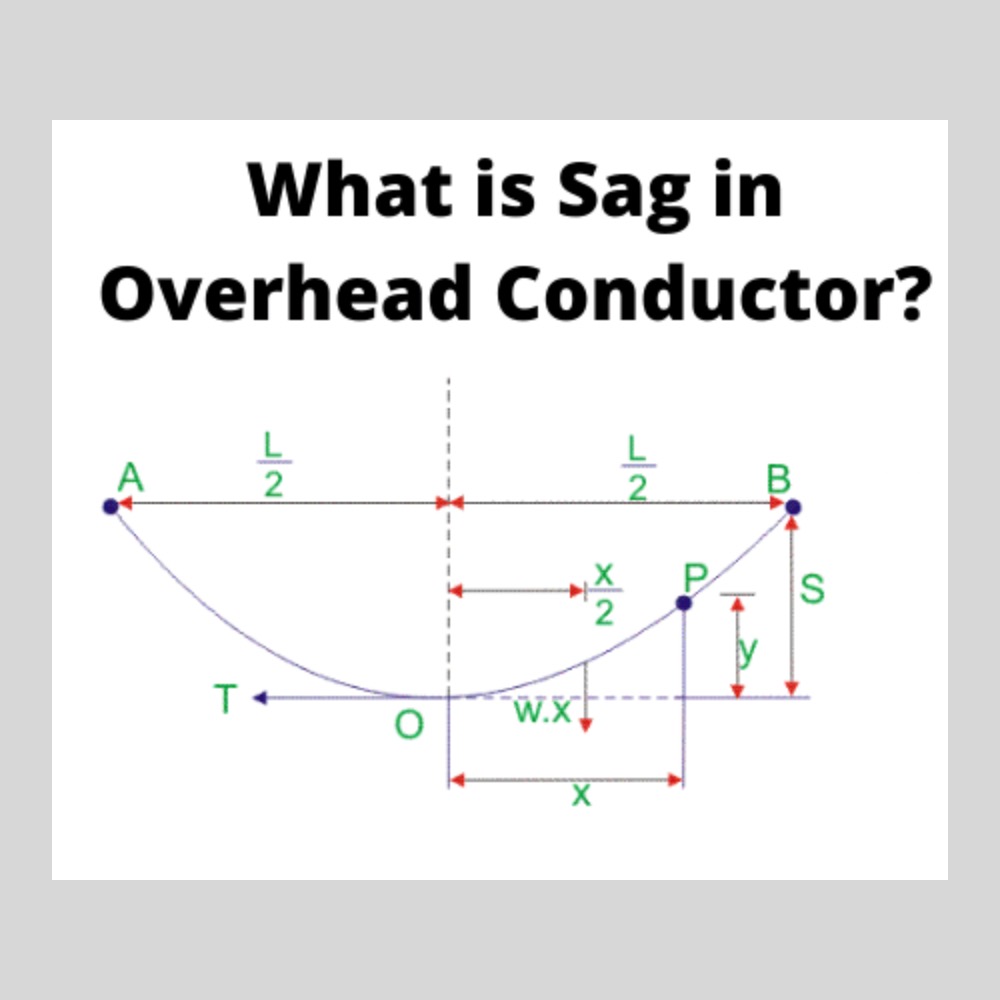
Sag in a Transmission Line: What is it? (And How To Calculate it)
What is Sag in a Transmission Line?In a transmission line, sag is defined as the vertical difference in level between points of support (most commonly transmission towers) and the lowest point of the conductor. The calculationof sag and tension in a transmission line depends on the span of the overhead conductor.Span having equal level supports (i.e. towers of the same height) is called level span. Conversely, when the span has unequal levels of support, this is known as unequal level span.Consi
03/22/2024
Consult
Tip
Consult
Tip
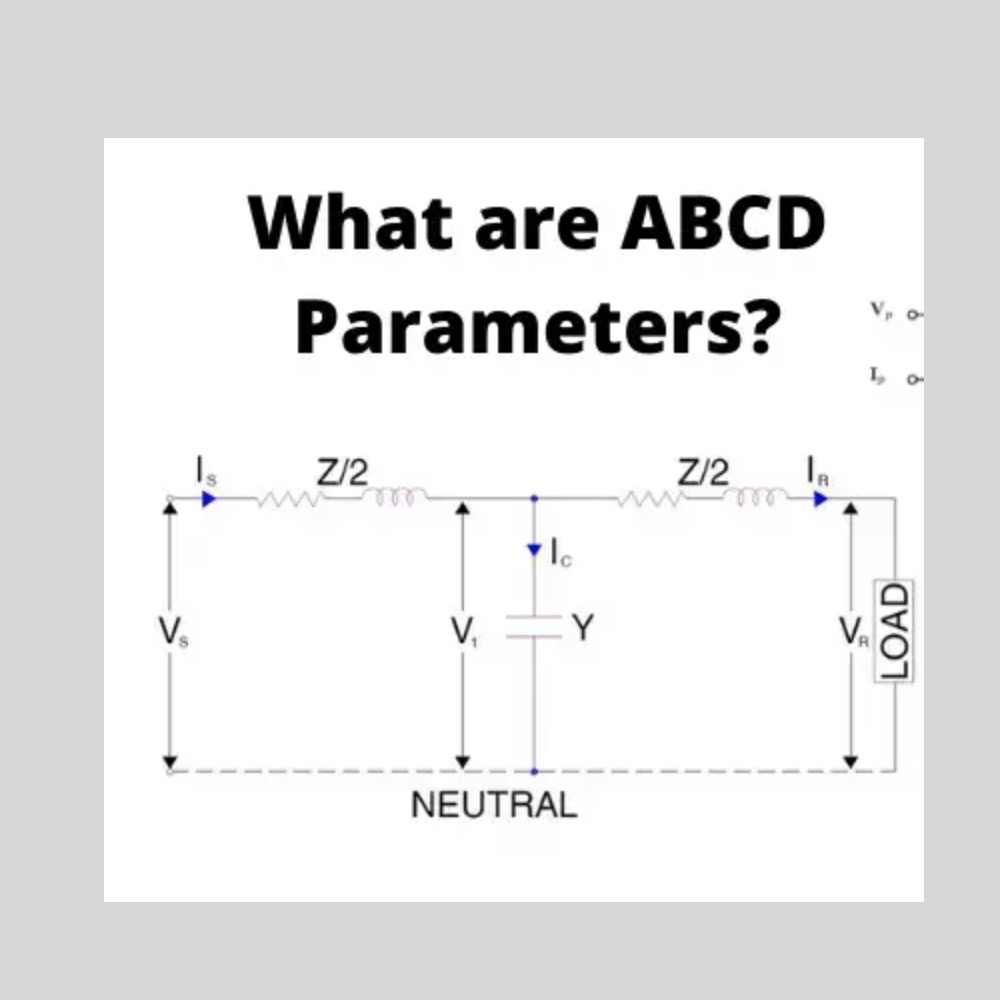
ABCD Parameters of Transmission Line (Theory & Examples)
What are ABCD Parameters?ABCD parameters (also known as chain or transmission line parameters) are generalized circuit constants used to help model transmission lines. More specifically, ABCD parameters are used in the two port network representation of a transmission line. The circuit of such a two-port network is shown below:A major section of power system engineering deals in the transmission of electrical power from one place (eg. generating station) to another (e.g. substations or residenti
03/22/2024
Consult
Tip
Consult
Tip
Performance of Transmission Line
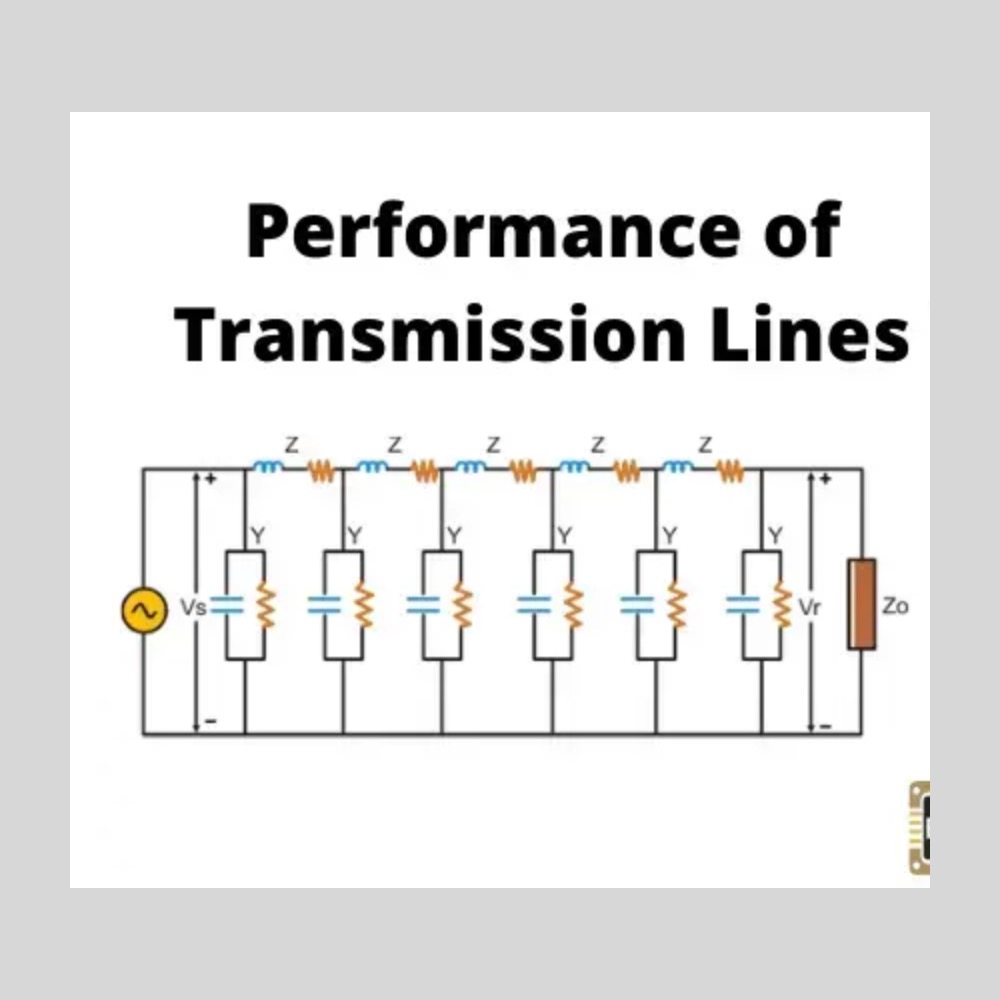
There are three main types of Overhead Transmission Lines: Short transmission line– The line length is up to 60 km and the line voltage is comparatively low less than 20KV. Medium transmission line– The line length is between 60 km to 160 km and the line voltage is between 20kV to 100kV. Long transmission line– The line length is more than 160 km and the line voltage is high greater than 100KV.Whatever may be the category of transmission line, the main aim is to transmit power from one end to an
03/22/2024
Consult
Tip
Consult
Tip
Ground Clearance of Different Transmission Lines
Indian Electricity Rule 1956, Clause No 77, mentions, the minimum distance between bottom conductor and ground of different overhead transmission lines.As per Indian Electricity Rule 1956, Clause No 77, the minimum distance between bottom conductor and ground of a 400KV transmission line is 8.84 meter.As per this clause, of IE 1956, minimum ground clearance of 33KV uninsulated electrical conductor is 5.2 meter.This clearance is increased by 0.3 meter for every 33KV above 33KV.According to this l
03/22/2024
Consult
Tip
Consult
Tip
Send inquiry
+86
Click to upload file
Download
Get the IEE Business Application
Use the IEE-Business app to find equipment, obtain solutions, connect with experts, and participate in industry collaboration anytime, anywhere—fully supporting the development of your power projects and business.